As a Seattle homeowner, understanding the Tesla Powerwall 3 cost is critical to maximizing energy resilience and savings. In this guide, we break down the latest Powerwall 3 pricing, incentives, and use cases to help you make an informed decision.
Tesla Powerwall Cost Overview
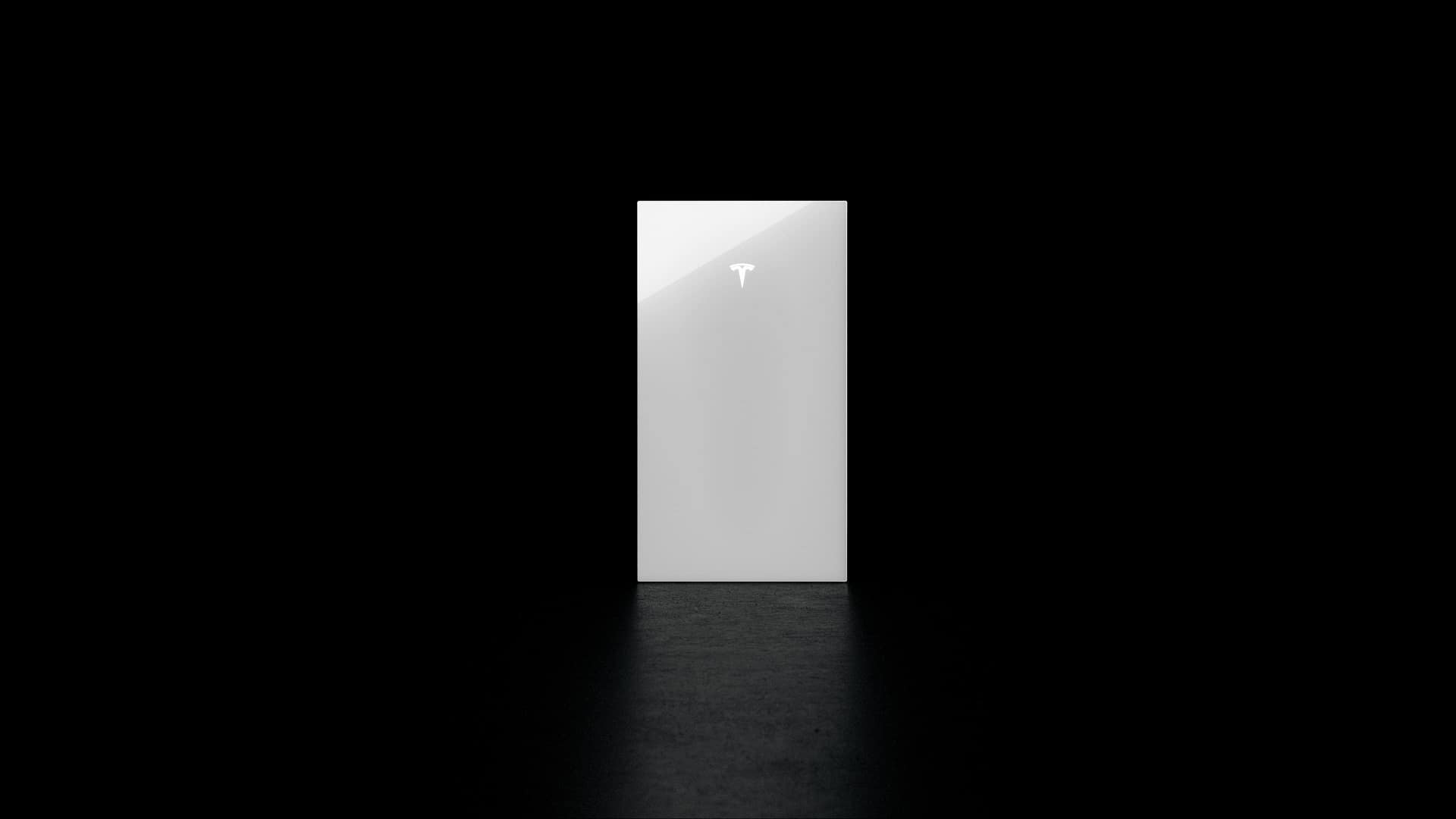
At Solphos, we specialize in solar and battery installations tailored to Western Washington’s unique climate. As a Tesla certified energy partner, we proudly serve the Pacific Northwest. Let’s take a look at the Tesla Powerwall 3 and some of its industry-best features.
Why the Tesla Powerwall 3? Key Features & Benefits
The Tesla Powerwall 3 is a game-changer for energy storage in the Pacific Northwest. Here’s why it’s a top choice for Seattle homeowners:
- 13.5 kWh Capacity: Powers essentials like refrigerators and medical devices for 12–24 hours during outages.
- 11.5 kW Output: Supports high-demand appliances like heat pumps and EV chargers.
- Seattle-Ready Design: Weatherproof for rain and rated for temperatures as low as -4°F.
According to a 2023 U.S. Department of Energy study, homes with solar + storage saw a 40% reduction in outage-related losses.
Tesla Powerwall Cost Breakdown: Seattle & Greater Area
Below is the 2024 cost breakdown for installing a Tesla Powerwall 3 in the Greater Seattle area:
| Component | Cost Range |
|---|---|
| Tesla Powerwall 3 Unit | $10,800 – $13,400 |
| Installation Labor & Permits | $3,000 – $6,000 |
| Electrical Upgrades | $1,000 – $3,000 |
| Federal ITC (30%) | ($4,400) – ($6,420) |
| Total Installed Cost (w/ 30% Tax Credit): | $10,400 – $14,980 |
Note: The federal tax credit covers 30% of all costs including equipment, materials, and installation costs. Additional incentives are available for home EV Charger installations. Washington residents may qualify for additional state incentives.
Top Use Cases for Tesla Powerwall in Washington
1. Backup Power for Storm Outages
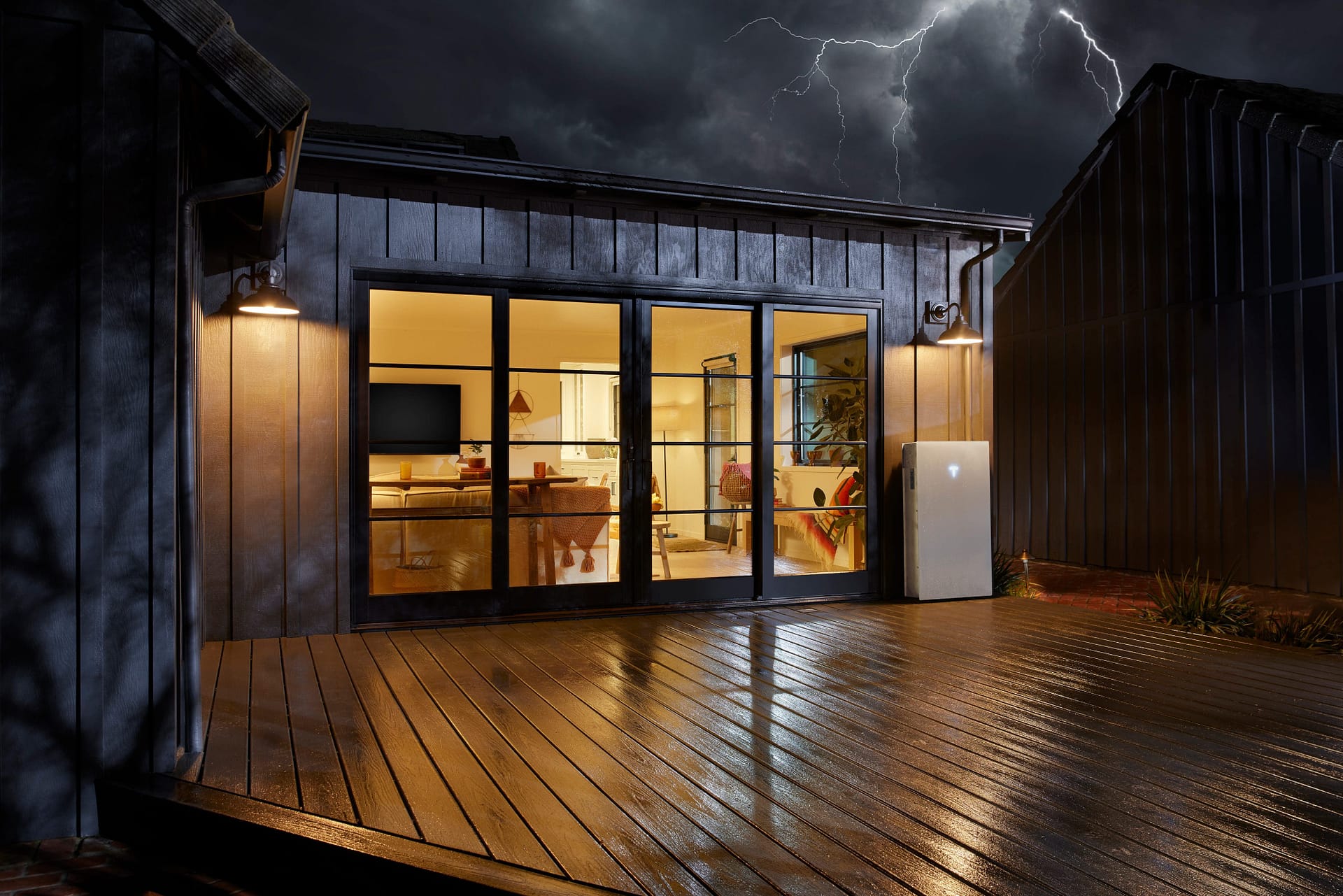
With Seattle averaging 152 rainy days annually, the Powerwall 3 ensures continuous power during grid failures. You can recharge your battery using solar, even when the grid is down.
2. Solar Energy Storage
Pairing solar panels with a Powerwall maximizes ROI. During summer, excess energy stored during sunny days offsets winter usage, reducing bills by 60–80% (Greentech Media).
FAQ: Tesla Powerwall Cost in Seattle
Ready to Reduce Your Energy Cost?
Get Your Custom Quote today or call Solphos at (425) 326-9057 to explore how a Tesla Powerwall 3 can offset your energy bills and keep your home powered during Seattle’s storms.

Pingback: Tesla Powerwall Competitors: Detailed Comparison
Pingback: Tesla Energy Portfolio for WA Homes
Comments are closed.