Which Home Battery Stands Out in Western WA?
Tesla Powerwall competitors continue to evolve, bringing new features and performance options to homeowners in Western Washington seeking reliable energy storage. While Tesla’s Powerwall 3 is often the most recognized name, batteries from Franklin Home Power and Enphase can also meet—if not exceed—your power demands, especially when facing the region’s cloudy winters or local utility grid events. Throughout this article, we will explore how these three leading battery systems stack up on specifications, costs, and use cases. We will also discuss how Western Washington’s climate and policy environment shape the decision-making process for energy-conscious homeowners hoping to offset rising utility rates and gain resilience.

Why Battery Storage Matters in Western Washington
Western Washington offers a moderate climate, abundant rainfall, and intermittent sun. Many residents already invest in solar panels to reduce monthly utility bills, but they want more control and flexibility. With battery systems, you can store excess solar energy generated during daylight hours and use it later—particularly helpful if the grid goes down or you face high evening rates. Beyond that, many local homeowners prefer having backup power for stormy conditions, especially when outages periodically sweep through the Puget Sound region. Choosing the right battery among Tesla Powerwall competitors can drastically improve how you manage renewable energy.
Moreover, state incentives, net metering, and renewable energy policies in Washington further reduce costs and improve ROI when you integrate solar with battery storage. With advanced monitoring and integrated control apps, modern battery systems offer peace of mind and long-term savings.
Top Tesla Powerwall Competitors: Key Features & Differences
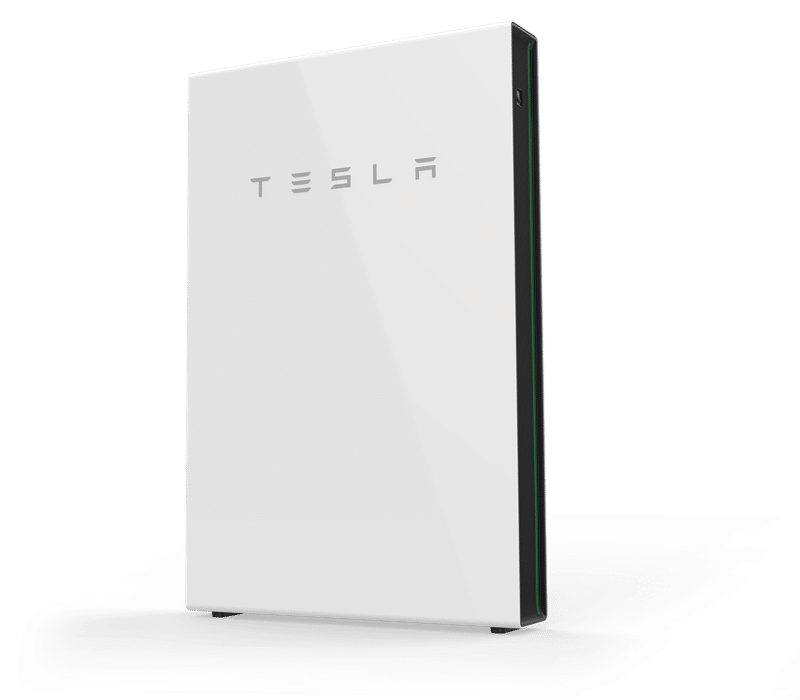
1. Tesla Powerwall 3
- Capacity: 13.5 kWh of usable energy
- Continuous Output: 11.5 kW
- Chemistry: Lithium Iron Phosphate (LFP)
- Scalability: Up to 10 units (135 kWh total)
- Built-in Inverter: Simplifies installation
2. Franklin Home Power (aPower)
- Capacity: 13.6 kWh per unit; scalable up to 15 units (204 kWh)
- Continuous Output: 5 kW (7 kW peak) per module
- Chemistry: LFP
- Scalability: Industry-leading for large-scale applications
- Requires External Inverter: More flexibility but increased installation complexity
Franklin’s aPower system offers impressive scalability and flexibility, especially for larger properties, although the need for an external inverter adds complexity.
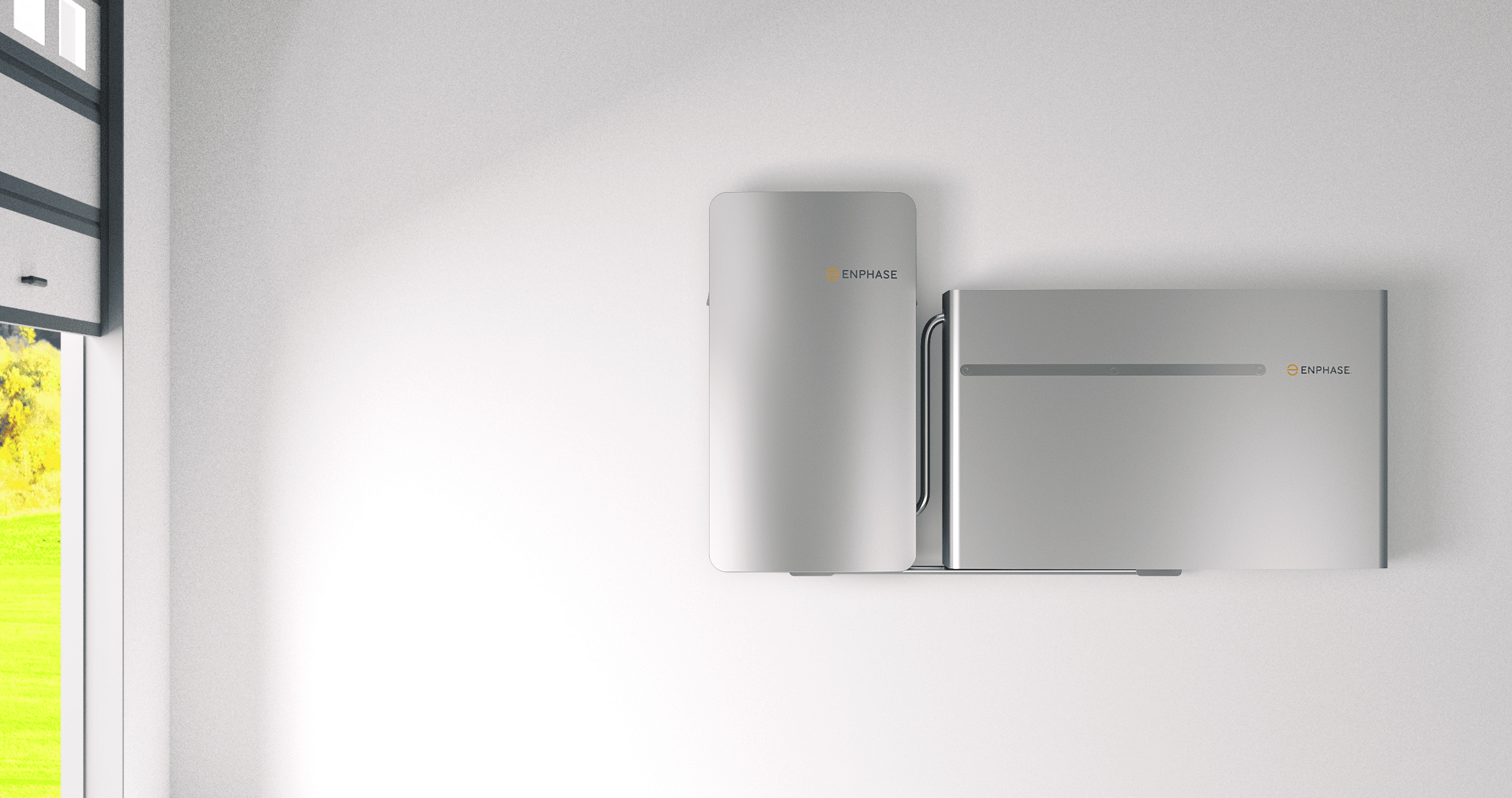
3. Enphase IQ Battery 10T
- Capacity: 10.08 kWh per unit; scalable up to 4 units (40.32 kWh)
- Continuous Output: 5.76 kW (peak 10.56 kW)
- Chemistry: LFP
- Integration: Pairs with Enphase microinverters for panel-level monitoring
- Monitoring: Detailed performance data via the Enphase App
Battery Specs at a Glance
The following table outlines basic comparisons among these Tesla Powerwall competitors in key performance areas:
| Feature | Tesla Powerwall 3 | Franklin aPower | Enphase IQ 10T |
|---|---|---|---|
| Capacity | 13.5 kWh/unit | 13.6 kWh/unit; up to 15 units | 10.08 kWh/unit; up to 4 units |
| Continuous Output | 11.5 kW | 5 kW (7 kW peak) | 5.76 kW (10.56 kW peak) |
| Scalability | Up to 135 kWh | Up to 204 kWh | Up to 40.32 kWh |
| Inverter | Built-in | External inverter required | Requires Enphase microinverters |
| Warranty | 10 years | 12 years | 10 years |
FAQ: Tesla Powerwall Competitors
Do these batteries require an existing solar array?
While Tesla Powerwall 3 and Franklin aPower can function with or without solar, pairing them with solar panels can optimize savings. Enphase IQ Battery 10T integrates best with Enphase solar systems.
Which battery is most cost-effective per kWh?
Tesla Powerwall 3 generally offers a lower installed cost per kWh, but Franklin aPower scales to larger capacities which may provide greater long-term value.
How do I handle backups during an outage?
All systems provide backup for essential loads. Integrated apps from Tesla or Enphase can help prioritize critical circuits during prolonged outages.
Is partial-home backup sufficient during storms?
Many homeowners focus on powering critical loads rather than the entire home. Battery backups typically cover essential circuits effectively.
Do these batteries integrate with net metering?
Yes, most battery systems can store excess solar energy and export surplus via net metering programs.
Ready to Decide on the Right Battery?
The Tesla Powerwall 3, Franklin aPower, and Enphase IQ Battery 10T each serve distinct niches, whether you need high instantaneous output, massive scalability, or seamless solar integration. For Western Washington homeowners, battery storage can dramatically enhance the value of going solar. To learn which system best fits your energy needs and budget, contact Solphos for a personalized consultation.

Pingback: Why Tesla Powerwall 3 is a Better Choice than Gas Generators
Pingback: Debunking Battery Storage Myths: What Homeowners Need to Know
Pingback: Anything But Tesla: Reliable Brands for Solar Power | SOLPHOS
Pingback: Enphase IQ8 Review Seattle: Top Solar Inverter for WA?
Comments are closed.