Silfab Solar Panels: High-End Performance in Low Light
Silfab solar panels stand out for their efficiency, durability, and suitability for Western Washington’s often cloudy and wet climate. While many homeowners associate solar with sunnier regions, Silfab’s manufacturing approach and advanced cell technologies prove that reliable performance is achievable even under the Pacific Northwest’s challenging weather conditions. Whether you are new to residential solar or upgrading an existing system, understanding Silfab’s panel technology can help you make an informed choice for your home’s energy needs.
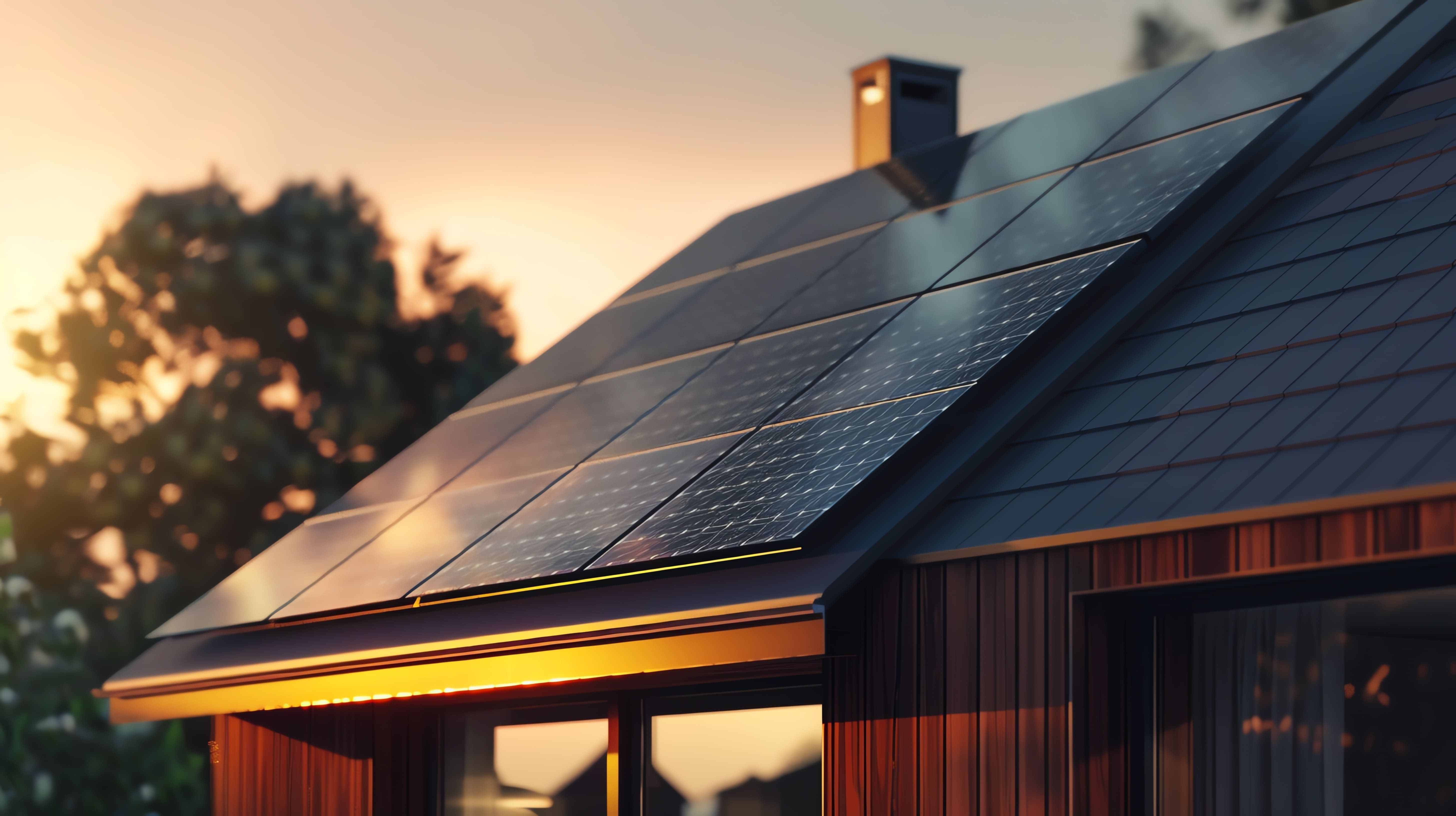
Silfab’s Manufacturing Process: Quality from the Ground Up
Silfab has built its reputation on a commitment to high-quality manufacturing and rigorous testing. According to the company’s official specs, Silfab solar panels undergo a series of checks at each stage of assembly, from sourcing raw materials to final product inspection. This comprehensive approach stems from decades of solar expertise and includes advanced automation systems that minimize human error.
Of even more importance (these days), Silfab has manufacturing facilities in North America, reducing the logistical carbon footprint and ensuring products reach Western Washington customers promptly. Many homeowners appreciate that buying Silfab solar panels supports local economies and that shorter transportation distances align with sustainability goals. Additionally, Silfab’s manufacturing lines feature automated stringers, laminators, and quality-control stations, all designed to optimize panel uniformity and reliability. These processes also help maintain consistent performance across large batches of modules, critical if you plan to add new panels over time.
During manufacturing, Silfab focuses on robust cell interconnection methods. They utilize advanced soldering and lamination procedures that help each cell maintain strong electrical contacts. As a result, these solar panels can withstand repeated temperature fluctuations, heavy rainfall, and high winds… common occurrences in Western Washington. In fact, Silfab’s production lines incorporate environmental testing chambers that simulate real-world conditions, ensuring panels remain resilient over their 25-year or longer lifespan.
Efficiency Ratings and Power Output
Efficiency plays a significant role in determining how much energy a solar panel can produce from a given surface area. Silfab solar panels commonly reach efficiency levels in the 18% to 21% range, putting them on par with other leading panel manufacturers. High-efficiency modules can prove especially beneficial when rooftop space is limited, a challenge many homeowners face in the Seattle-Tacoma region.
Silfab’s “Prime” and “Elite” series typically represent the brand’s top-tier offerings, with some models exceeding 20% efficiency. For each model, you can select from various wattage ratings, often ranging from 300 W to 380 W or more per panel, depending on your energy goals. With this flexibility, you could install fewer panels while still meeting your annual kilowatt-hour (kWh) requirements, which is particularly advantageous if you have a multi-faceted roof with only a few prime sun areas. In Western Washington, where cloud cover often scatters light, these higher efficiency cells still capture a decent amount of diffuse sunlight, ensuring stable year-round production.
According to data from the National Renewable Energy Laboratory (NREL), monocrystalline modules like those from Silfab usually retain their efficiency better in low-light conditions compared to older polycrystalline variants. This aspect enhances their suitability for regions with frequent overcast skies. Additionally, Silfab’s anti-reflective coatings help each cell capture more photons, which proves essential on days when the sunshine is less direct.
30% Federal Savings. 10% Sales Tax Exemption for WA Residents
Discover how the latest federal tax credit and state exemptions can reduce your solar costs.
Get Started.
Durability Under Pacific Northwest Conditions
When evaluating solar panels for Washington’s coastal and mountainous climates, durability is a top priority. Heavy rainfall, potential snowstorms, and occasional high winds demand modules built to last. Silfab solar panels feature durable glass fronts and corrosion-resistant frames, enabling them to handle these varied stressors. According to the Washington State Department of Commerce, the region can experience gusts over 50 mph during winter storms, placing stress on rooftop installations. Silfab’s frames, often made from anodized aluminum, are designed to endure these forces without bending or cracking.
Additionally, Silfab solar panels must pass mechanical load tests that replicate the weight of accumulated snow or debris. This testing ensures that your rooftop system stays intact, even if you live near the Cascades or in higher-elevation neighborhoods. For many Western Washington homeowners, the knowledge that their panels can handle the state’s frequent rain and winter weather is critical when justifying a solar investment. As local utility data suggests, robust panel construction correlates with fewer maintenance issues and consistent energy yields over time.
Silfab also addresses moisture ingress… something especially pertinent in the Pacific Northwest. Each panel includes advanced sealant and framing designs that limit water penetration around the panel edges. Thanks to these measures, the risk of premature degradation decreases, boosting overall system reliability and peace of mind.
Comparisons to Other Leading Brands
While Silfab solar panels rank among top choices for Washington homes, other brands like Tesla, LG, and Panasonic also offer high-quality modules and it’s useful to compare them across three main criteria: warranty, performance, and aesthetic appeal.
Warranty Coverage
Silfab typically provides a 25-year product warranty alongside a 30-year performance guarantee on select models. This aligns with industry norms, though some competitors now offer 25-year performance warranties as well. Tesla, for instance, advertises a 25-year panel performance warranty, while Panasonic’s high-efficiency modules can maintain 90% or more of their rated output over that period. However, Silfab’s willingness to go beyond 25 years on certain top-tier lines can serve as a differentiator for customers seeking long-term peace of mind.
Performance in Diffuse Light
In terms of real-world production, Silfab’s monocrystalline designs stand up well to overcast or partially shaded conditions. Panasonic’s HIT cells (a hybrid design) are known for excelling in similar environments, potentially offering slightly higher yield under low-light. However, Silfab solar panels remain competitive when factoring in cost, availability, and North American manufacturing. The difference in real-world performance between Silfab’s premium lines and top-tier offerings from other brands often proves marginal once installed, especially when carefully designed with the correct inverter strategy.
Aesthetic Appeal
While looks might not be the primary driver behind a solar investment, it plays a role in curb appeal and neighborhood harmony. Tesla’s solar panels focus on seamless design with hidden hardware. Silfab, meanwhile, offers an all-black module that features a dark backsheet and black frames, giving homeowners a clean, modern appearance. Although some prefer the near-invisible look of Tesla’s integrated systems, Silfab’s panels earn high marks for blending into typical asphalt shingle roofs across Western Washington. With the brand’s black-on-black lines, visible silver busbars are minimized, making for a sleek aesthetic that many find quite appealing.
Official Specifications: A Closer Look
When browsing Silfab’s official specs, you’ll find a variety of panel configurations. Below are some key parameters to watch:
- Power Output Range: Approximately 300–380 W per panel, depending on the series.
- Module Efficiency: 18–21%, with premium lines reaching higher efficiency ratings.
- Temperature Coefficient: Typically between -0.34% and -0.38% per °C. Panels with a lower (less negative) temperature coefficient lose less power in hot conditions, which can happen during Washington’s occasional summer heat waves.
- Frame Strength: Certified for high wind and snow loads. Testing often meets or exceeds IEC 61215 standards.
- Warranty Terms: 25-year product warranty and up to a 30-year power output guarantee on certain lines.
For Western Washington homeowners, verifying each specification helps ensure your solar array will thrive under local conditions. A robust temperature coefficient can be especially relevant on sunny summer days, while strong wind-load ratings matter during winter storms and coastal gusts.
30% Federal Savings. 10% Sales Tax Exemption for WA Residents
Discover how the latest federal tax credit and state exemptions can reduce your solar costs.
Get Started.
Aesthetic Options and Panel Customization
Not all rooftops are the same, and not all homeowners share the same aesthetic preferences. Silfab addresses these variations by offering multiple panel models, some featuring black frames on a white backsheet and others using a black backsheet for a more uniform look. Dark frames can help the array blend seamlessly into darker roof shingles—an advantage in many Seattle neighborhoods where architectural guidelines encourage subdued hues.
Additionally, if you have a unique roof geometry, your solar designer might mix different Silfab panel wattages to ensure each roof facet meets your energy goals. For instance, a higher-output series might go on a southern-facing slope, while a standard-output series fits your east-facing segment, optimizing overall system yields. By discussing these details with your installer, you can find the right balance between aesthetics, performance, and budget.
Selecting the Right Silfab Panel: Budgets and Home Sizes
Choosing the perfect Silfab panel series involves weighing your long-term energy needs, rooftop area, and financial considerations. Below is a brief guide to help you narrow down options:
1. Small Homes or Starter Systems
If you live in a modest single-family home or plan a partial offset of your utility bills, Silfab’s entry-level monocrystalline panels (300–320 W) might suffice. These modules still offer robust performance and warranties, but they typically cost less per watt than the premium lines. Given Western Washington’s net metering policies, even a smaller system can substantially reduce electricity costs, especially if you incorporate a battery solution from a reputable brand like Tesla or Enphase Energy.
2. Mid-Range Budgets and Average Roof Space
For the typical Western Washington homeowner with moderate energy needs—say, a 2,000–3,000 square-foot property—a mid-tier series from Silfab might be ideal. You’ll find modules in the 330–360 W range that strike a balance between upfront costs and efficiency. This category often carries a 25-year product warranty, delivering peace of mind without jumping to the costliest premium lines.
3. Larger Homes or Premium Performance
If you have a sprawling household or foresee adding an EV charger or heat pump, consider Silfab’s elite panel offerings. These can feature wattages above 370 W and efficiency levels near or exceeding 20%. While premium lines cost more upfront, they allow you to meet higher energy demands with fewer panels, which can matter if your roof is complicated or partially shaded. Plus, these top-tier models often offer extended performance warranties, sometimes reaching 30 years.
Silfab Solar Panels FAQ
Ready to Go Solar with Silfab?
Silfab solar panels combine cutting-edge efficiency, North American manufacturing, and a track record of durability. Qualities that resonate strongly with Western Washington homeowners. These modules perform reliably in the region’s overcast climate, offering solid returns on investment while maintaining an appealing aesthetic. By comparing warranties, performance ratings, and cost points, you can identify the Silfab product line that best suits your unique needs and budget.
If you’re considering a Silfab solar panel installation, Solphos Services can guide you through each step: from initial site assessments to final commissioning. Our team understands the intricacies of Washington’s permitting, utility rules, and weather patterns, ensuring a seamless experience. Take charge of your home’s energy future and reduce your carbon footprint in the process.
Want to learn more or schedule a consultation? Contact Solphos today. We’ll help you explore Silfab solar panels, customize a design that meets your household’s energy goals, and ensure a hassle-free installation aligned with local regulations. Invest in Silfab’s proven technology and power your home, rain or shine, for decades to come.

Pingback: Anything But Tesla: Reliable Brands for Solar Power - SOLPHOS