Power Your Whole Home with Solar, Batteries, and EVs
Tesla’s energy portfolio has expanded beyond electric vehicles to deliver robust home energy solutions that benefit Western Washington residents. With the recent introduction of Powerwall 3 and ongoing innovations in battery technology, Tesla continues to reshape how homeowners store, manage, and optimize electricity. Tesla’s energy portfolio taps into cutting-edge software integrations, large-capacity batteries, and real-time monitoring – all of which are crucial for dealing with frequent storms and possible grid outages in Seattle and surrounding areas. In this article, we will delve into the current state of Tesla’s home energy solutions, highlight key specs, and explore why these offerings stand apart from other options on the market.

Why Tesla’s Energy Portfolio Matters in Western Washington
Western Washington experiences a unique blend of environmental conditions that underscores the value of a reliable home battery system. According to National Weather Service data, the region undergoes heavy rain, strong coastal winds, and occasional winter snow. These conditions can disrupt the power grid, leaving many families without electricity for hours—or even days. Tesla’s energy portfolio, anchored by the Powerwall series, offers a solution to mitigate these outages and preserve essential household functions, including heating, refrigeration, and internet connectivity.
Furthermore, Washington’s renewable energy policies and net metering programs encourage homeowners to pair solar installations with energy storage solutions. By capturing sunlight during the day and storing excess in a Tesla Powerwall 3, households can reduce reliance on the grid and access backup power when utility lines go down. In urban centers like Seattle, high electricity costs coupled with frequent storms make the economics and practicality of Tesla’s energy portfolio particularly appealing.
Tesla Powerwall 3: Key Specs and Features
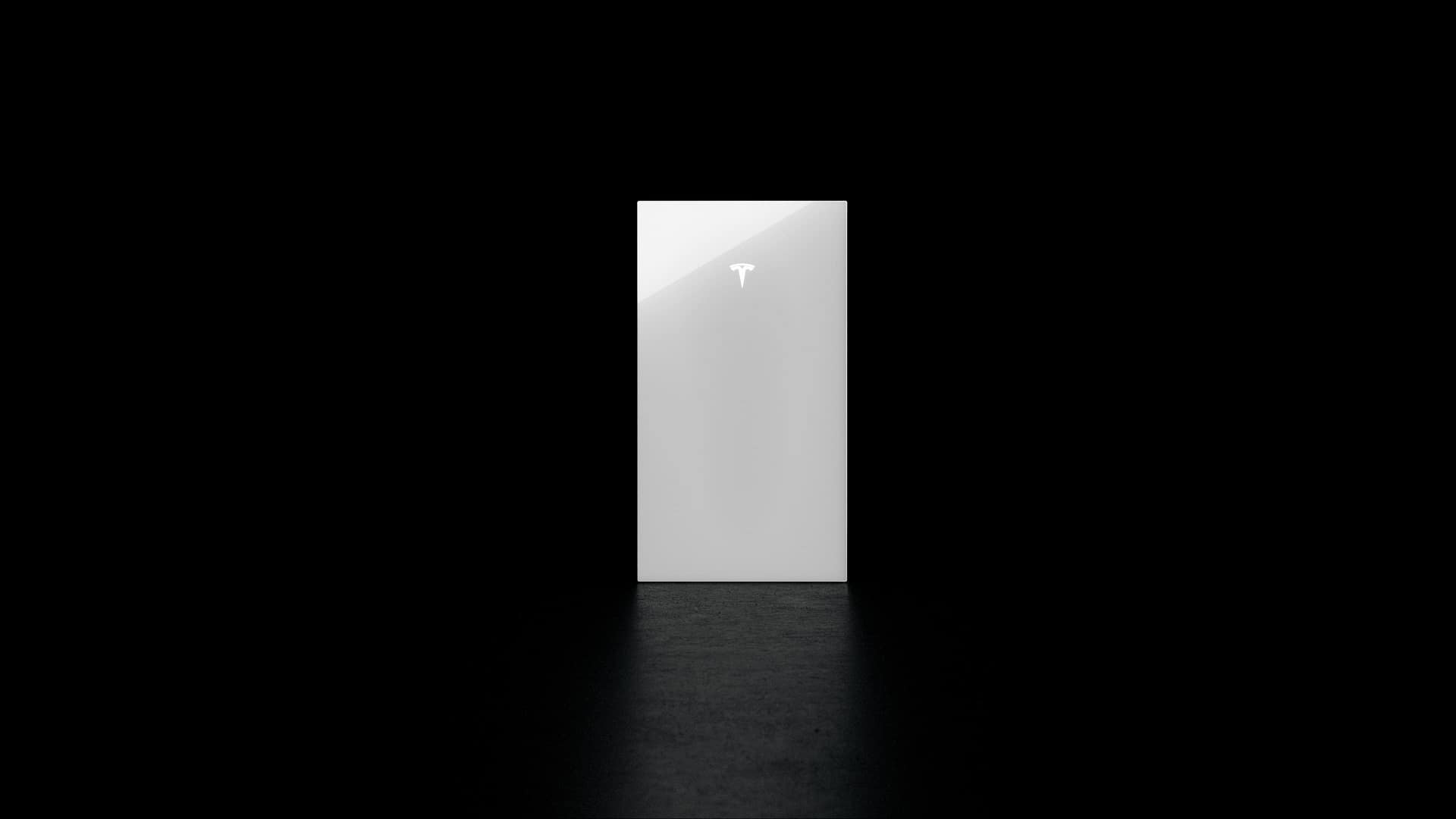
Tesla’s latest iteration of its residential battery, the Powerwall 3, builds upon the successes of earlier models by introducing larger usable capacity and improved integration with solar systems. Below is a closer look at some of its standout attributes:
Battery Capacity and Output
The Powerwall 3 boasts an increased usable capacity that often ranges above 13 kWh per unit, depending on final specifications. With the ability to stack multiple units, homeowners can scale their storage to meet unique energy demands. This capacity supports essential circuits through short outages without immediate reliance on the grid. Additionally, Tesla’s energy portfolio uses lithium-ion chemistry that has matured significantly, delivering high round-trip efficiency and minimal energy losses during charging and discharging.
Inverter Integration
The Powerwall 3 features a built-in inverter, simplifying installation by reducing the need for a separate device. This internal inverter streamlines the process of connecting to a solar array, whether it’s brand-new or an existing setup. Given Western Washington’s net metering policies, this design makes it easier to feed excess power back into the grid without complicated wiring schemes.
Thermal Management
Because Western Washington experiences a wide range of temperatures—from chilly winter mornings to occasional heat waves—efficient thermal management ensures the battery performs optimally year-round. Tesla’s integrated cooling system regulates internal cell temperatures, thus extending the battery’s lifespan and reliability. This is particularly useful in Seattle’s damp climate, where humidity and cooler temperatures can otherwise affect electronics.
Future Innovations in Tesla’s Energy Portfolio
Tesla is known for its forward-thinking approach, and the company continues to hint at new developments within its energy portfolio. While official announcements vary, industry experts anticipate that Tesla may introduce batteries with even higher energy density, advanced solid-state components, or integrated load-management capabilities. For Western Washington homeowners, these ongoing innovations could translate into smaller, more efficient battery systems that deliver greater backup power without demanding additional space.
Moreover, Tesla has shown interest in applying artificial intelligence (AI) to energy management through “virtual power plants.” These setups allow battery owners to pool resources and stabilize local grids during peak demand. In the future, if regulatory frameworks in Washington become more flexible, homeowners might earn revenue by selling excess stored energy back to their utility on demand. This concept not only boosts individual financial returns but also enhances overall grid resilience, a huge benefit during the region’s stormy season.

Tesla’s Software Ecosystem: Real-Time Monitoring and Control
One aspect that distinguishes Tesla’s energy portfolio is its robust software layer. The same technology that powers Tesla electric vehicles now helps manage home batteries with impressive efficiency. Through the official Tesla app or a desktop dashboard, homeowners can monitor real-time energy production, consumption, and battery charge status. This transparency offers data-driven insights, which can be invaluable during a storm or other emergency when you need to prioritize critical loads.
Additionally, Tesla’s system automates key decisions, like when to draw from the battery versus the grid, aiming to minimize utility costs or maximize use of stored solar energy. In Western Washington, where the weather changes rapidly, having software-driven optimization ensures your battery charges during sunny spells—albeit brief—and carefully discharges during peak demand times or outages. Because the system updates over the air, Tesla can enhance features and fix bugs without physically replacing hardware, providing a future-proof solution for homeowners.
Comparing Tesla’s Approach to Competitors
Tesla is not the only option for home energy storage, with alternatives like Enphase Energy and other major brands in the marketplace. However, Tesla’s energy portfolio stands apart due to the following factors:
Unified Ecosystem
Tesla offers an end-to-end ecosystem encompassing solar panels, battery storage, EVs, and advanced software. This integrated approach reduces compatibility concerns. While Enphase Energy provides high-quality microinverter-based systems, many Western Washington homeowners value the simplicity of sticking with a single brand for both solar generation and battery storage.
Scalability
Where some competitors offer limited expansion options, Tesla’s Powerwall units can be stacked to expand capacity incrementally. This approach lets homeowners start small and add more units later, if they add an electric vehicle or expand household energy usage. Given the region’s strong push toward electrification and rising interest in heat pumps, having room to scale up is vital.
Software and OTA Updates
Tesla’s focus on software, including frequent over-the-air (OTA) updates, means that enhancements and bug fixes arrive seamlessly for existing customers. Competitors often lack a similarly robust software development culture, resulting in fewer software-driven feature updates. For Western Washington residents facing unpredictable storm patterns, these timely updates ensure that the battery system always operates at peak efficiency.
Typical Tesla Use Cases in Western Washington
While any homeowner with an eye toward resilience might consider Tesla’s energy portfolio, several specific scenarios align particularly well with the region’s conditions:
- Storm Preparedness in Coastal Areas: Towns along Puget Sound sometimes experience stronger winds, which can take down power lines. Having a Tesla Powerwall 3 can keep lights, heat, and essential appliances running during multi-day outages.
- Urban Seattle Homes with EV Charging: With a Tesla vehicle in the driveway, tapping into Tesla’s ecosystem for battery storage streamlines energy management. The integration ensures your EV can charge during off-peak hours or even through stored solar energy.
- Rural Properties with Limited Grid Access: Some rural areas east of the Cascades may encounter unreliable grid connections or be subject to extended outages. A robust Tesla battery setup, paired with solar panels, helps these homes stay powered without relying on noisy or polluting generators.
- Net-Zero Households: Washington’s incentives and net metering policies encourage energy self-sufficiency. Combining solar arrays with Tesla storage paves the way for net-zero or even energy-positive homes, cutting monthly bills and lowering environmental impact.
In each of these cases, Tesla’s user-friendly interface and advanced backup capabilities play a crucial role in delivering reliable power, reinforcing the brand’s reputation for straightforward but powerful technology.
Storm and Grid Outage Preparedness in Seattle
Seattle and the broader Puget Sound area are known for winter storms that produce high winds and heavy rainfall. According to Washington’s Department of Commerce, over 30% of homeowners in King County have experienced multi-hour outages in the past five years. During these situations, the ability of Tesla’s energy portfolio to transition seamlessly from grid power to battery backup is invaluable. The Powerwall detects grid failures within milliseconds, then isolates your home’s essential circuits to run on stored energy.
Furthermore, Tesla’s system can automatically reserve a portion of its capacity for emergencies. In Seattle’s unpredictable climate, having that backup buffer means you do not need to scramble when the forecast calls for a storm. If you also have rooftop solar, you can recharge the battery during daylight hours, even if the grid remains offline. This dynamic creates a mini “off-grid” scenario until public utilities are restored.
For those concerned about water damage or basement flooding when sump pumps stop running, the Powerwall’s consistent supply can prevent water intrusion issues from developing into major problems. By keeping critical systems like pumps and security lighting powered, Tesla’s energy portfolio effectively fortifies households against unexpected events.
Financial and Environmental Benefits
The financial perks of adopting Tesla’s energy portfolio range from direct utility bill savings to potential tax incentives. Washington state does not impose sales tax on certain renewable energy installations, and federal tax credits help lower the overall installation cost. Over time, solar charging plus battery storage can reduce or eliminate your monthly electric bills, especially if you leverage net metering programs.
Additionally, storing solar energy lessens your reliance on fossil fuels, thereby decreasing your home’s carbon footprint. Western Washington’s commitment to sustainability resonates with Tesla’s overarching mission, aligning well with environmental goals for the region. For homeowners who place a premium on green living, Tesla’s battery solutions offer both an economic and moral victory, cutting costs and promoting environmental stewardship.
Installation Considerations for Tesla Energy Portfolio
Before you invest in Tesla’s energy portfolio, you should consider a few practical installation factors:
- Space Requirements: Each Powerwall 3 unit can be wall-mounted, making it relatively straightforward to install in a garage or side yard. Ensure that the chosen location meets clearance guidelines and local building codes.
- Electrical Panel Upgrades: Some older homes in Seattle or Tacoma may need an electrical panel upgrade to accommodate the battery’s power throughput. A licensed installer can assess your panel’s capacity and perform any necessary modifications.
- Permitting: Working with your municipal permitting office is crucial to ensure compliance with Washington’s building and fire safety codes. Tesla has built an extensive network of certified installers who handle these steps seamlessly, but verifying local regulations remains vital.
- Professional Guidance: Choosing the right size and number of Powerwalls depends on your household’s peak energy usage and future expansion plans, such as adding an electric car. Consulting an expert helps you select a system that balances cost and performance.
Conclusion and Next Steps
Tesla’s energy portfolio, especially the Powerwall 3 and its anticipated future iterations, is a fitting choice for Western Washington homeowners seeking reliability, cost savings, and sustainability. With robust battery capacity, streamlined software features, and strong integration with solar energy systems, Tesla’s approach excels in a region prone to storms and grid disruptions. Whether you live in urban Seattle or a rural area further east, installing Tesla battery technology can protect your household from outages, help you optimize utility bills, and strengthen your commitment to a greener future.
Interested in exploring how Tesla’s energy solutions fit your home? Contact Solphos today. Our team specializes in designing, permitting, and installing solar-plus-storage systems tailored to the Pacific Northwest’s unique environment. We’ll help you choose the right equipment, navigate local regulations, and ensure you reap the full benefits of Tesla’s energy portfolio—even during Washington’s most turbulent storms.

Pingback: Integrate Solar Power with Smart Homes
Comments are closed.