Mobile Connector Guide: Tesla Charging Options in Washington State
For Tesla owners in Washington State, the mobile connector is a good solution for affordable, flexible EV charging. Whether you’re navigating Seattle’s urban streets or exploring the Cascades in your Model 3, Model Y, Model S, or Model X, understanding Tesla’s charging ecosystem is key. This guide explores all Tesla EV charging solutions, focusing on the mobile connector and how it stacks up (wall charger vs mobile connector vs universal charger), while comparing it to the Tesla Wall Connector, NEMA 14-50 outlets, J1772 adapters, and Superchargers. Tailored for Washington’s eco-conscious residents, we’ll cover performance, costs, and installation specifics, with handy tables for quick reference.
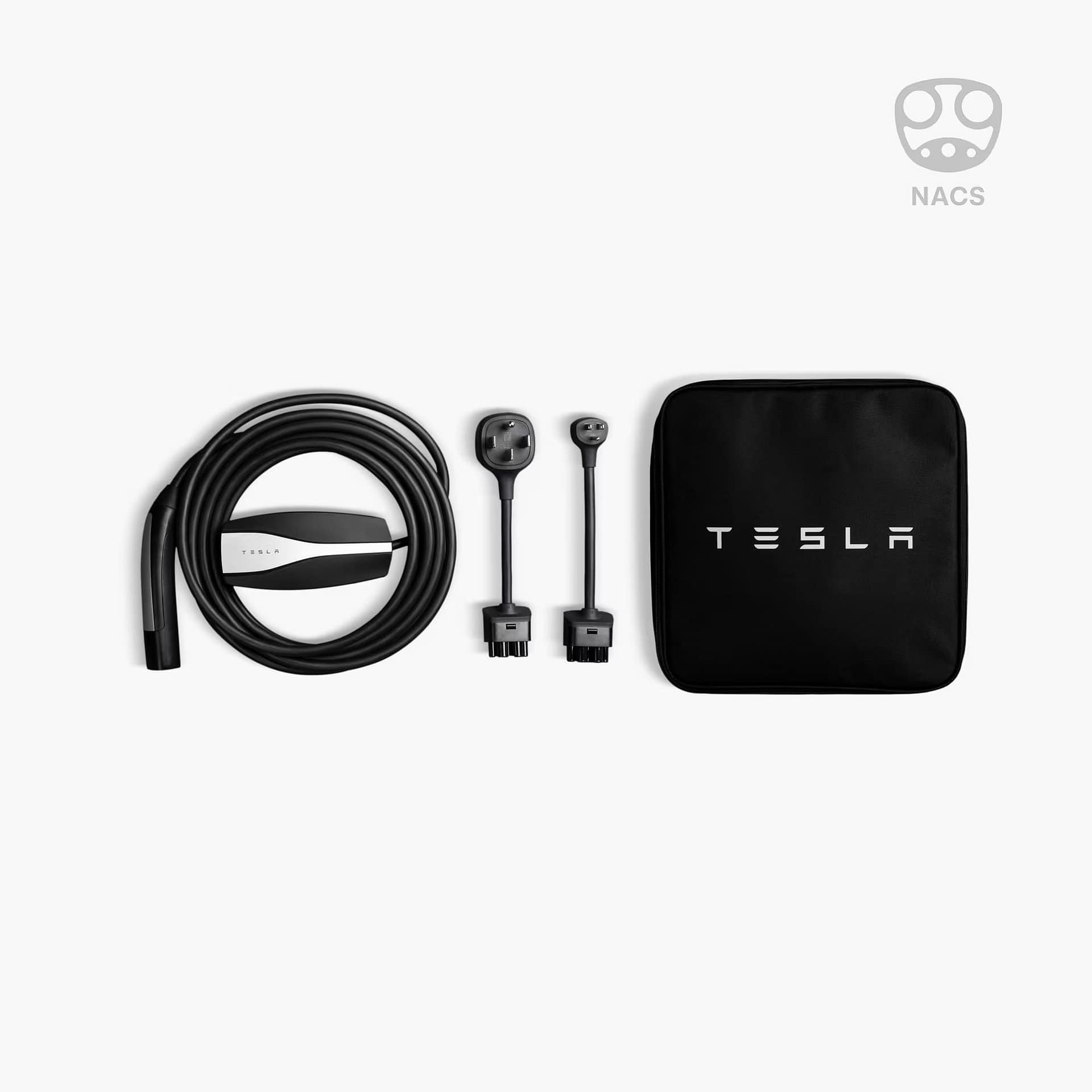
Does Tesla Come with a Mobile Connector?
A common question among new Tesla owners is, “Does Tesla come with a mobile connector?” As of April 2022, Tesla stopped including the mobile connector as standard with new vehicles. Now priced at $275 on the Tesla Shop, it comes with a NEMA 5-15 adapter (120V) and a NEMA 14-50 adapter (240V), making it ready for home or on-the-go charging. This shift opened the door to third-party options, but Tesla’s mobile connector remains a reliable choice for its portability and compatibility.
Tesla Charging Solutions: Mobile Connector vs. Wall Charger
Tesla offers a range of charging solutions, each suited to different needs. Let’s compare them, starting with the mobile connector.
Mobile Connector
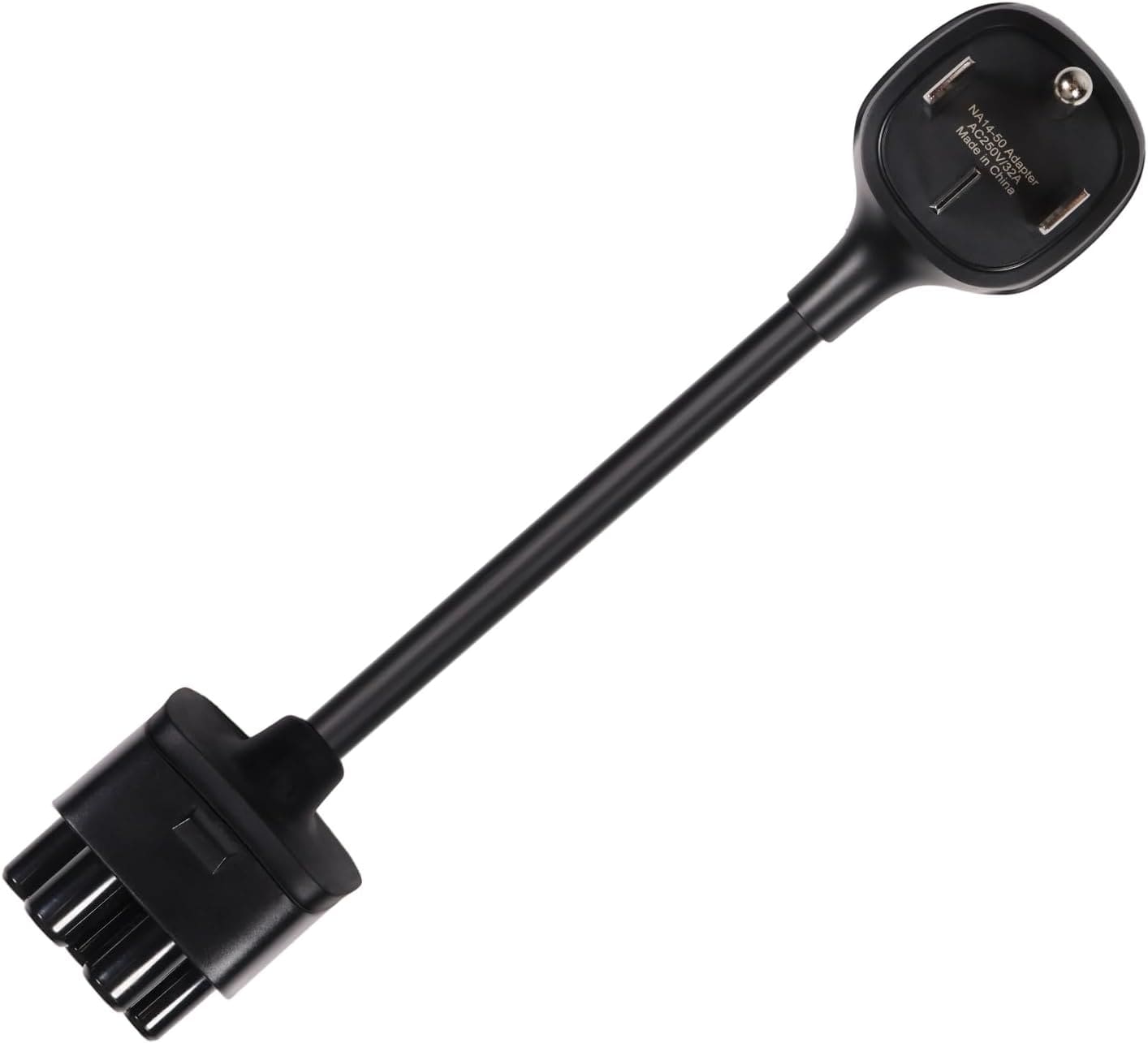
The mobile connector ($275) is Tesla’s portable charging solution. With a 20-foot cable, it delivers up to 7.7 kW (32A) at 240V, adding 30 miles of range per hour for a Model 3. It’s perfect for home use with an existing outlet or travel, requiring no installation.
Tesla Wall Connector
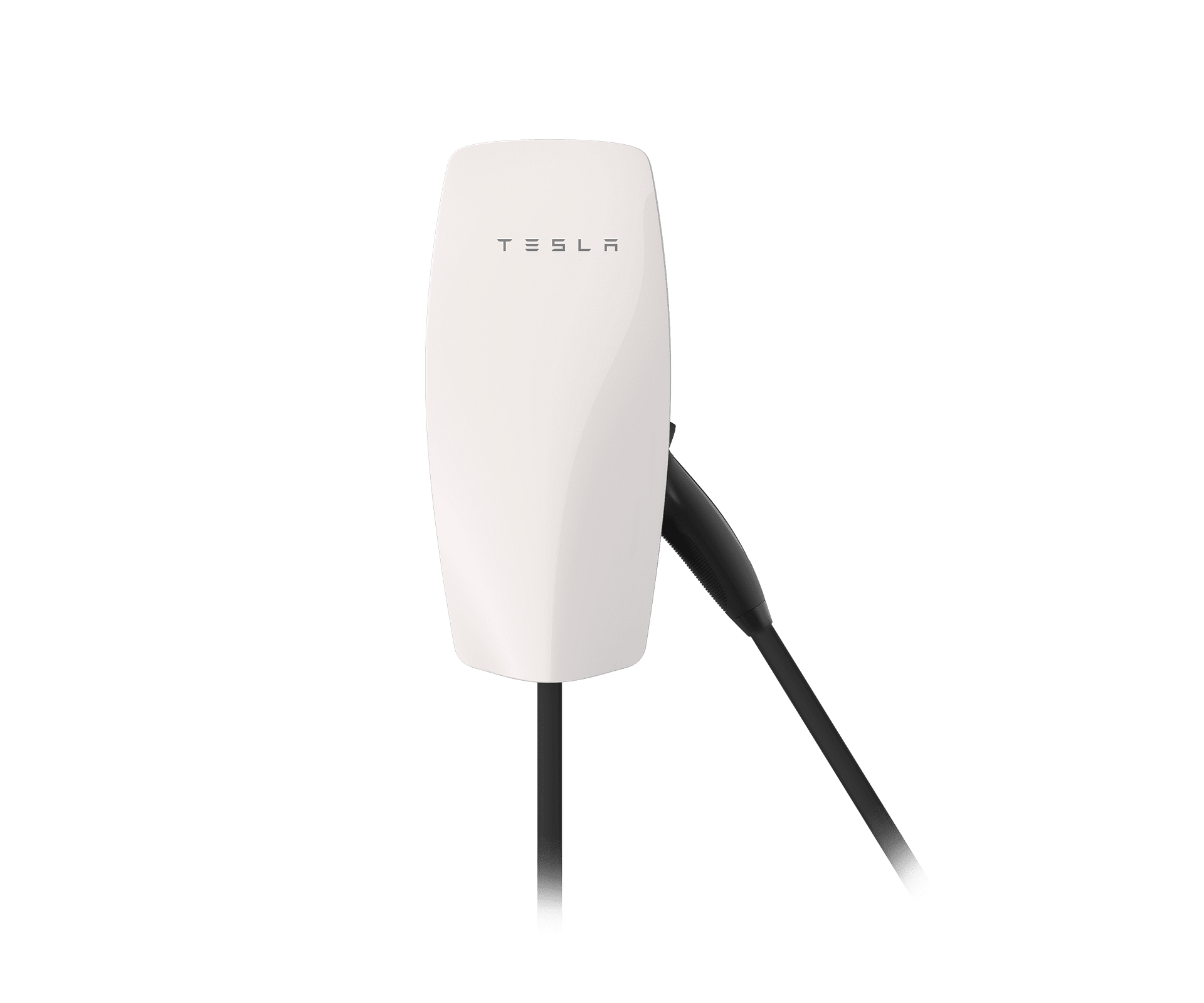
The Tesla Wall Connector ($420-$595) is a fixed, high-power option. At 11.5 kW and 48A, it adds up to 44 miles/hour—ideal for faster home charging and integrated home solar. Its 24-foot cable and Wi-Fi features enhance convenience, but professional installation is required.
NEMA 14-50 Outlet

Pairing a NEMA 14-50 outlet with the mobile connector matches its 32A output, delivering 30 miles/hour. It’s a budget-friendly alternative if your home has a 240V outlet.
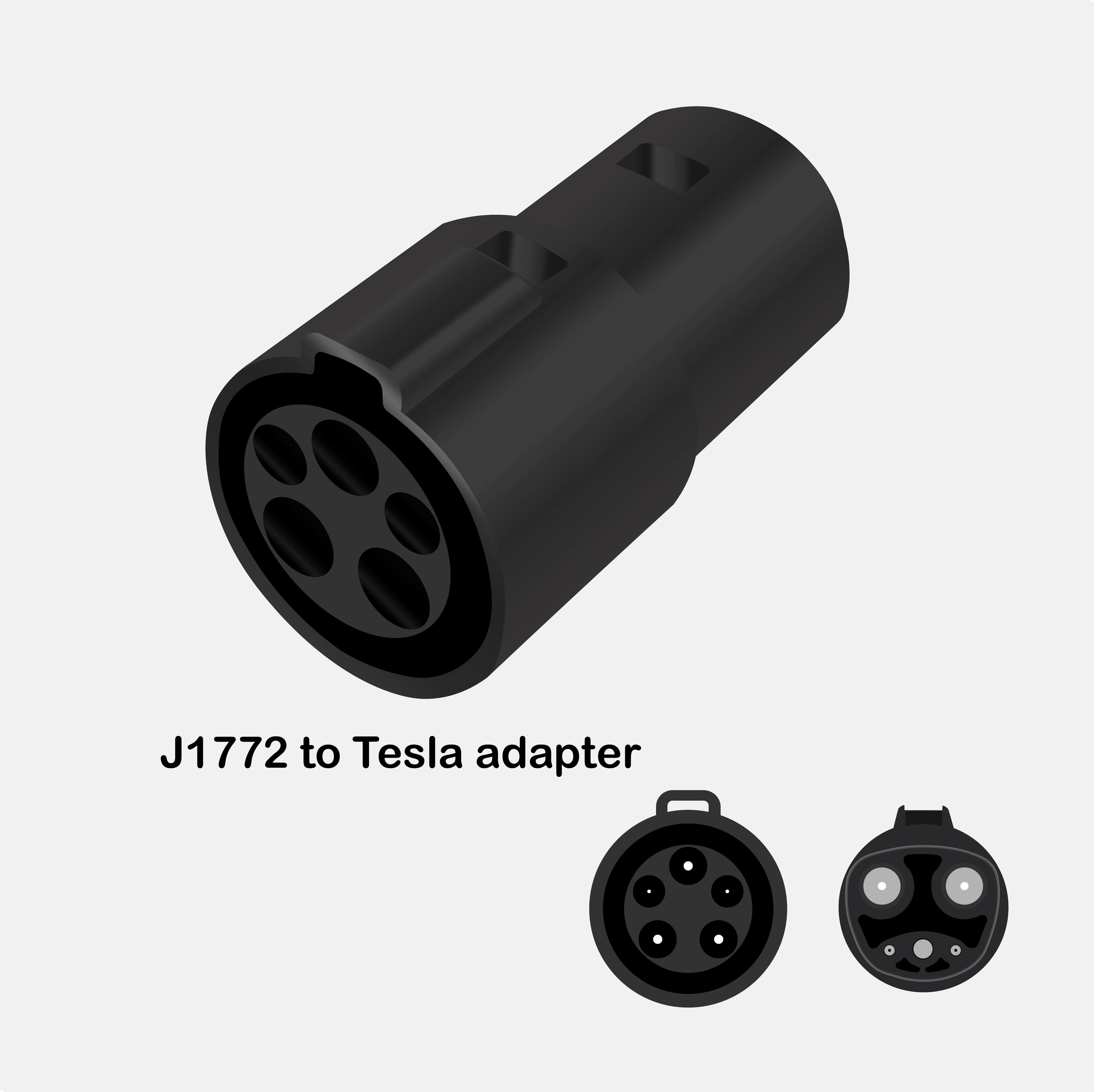
J1772 Adapters
Superchargers
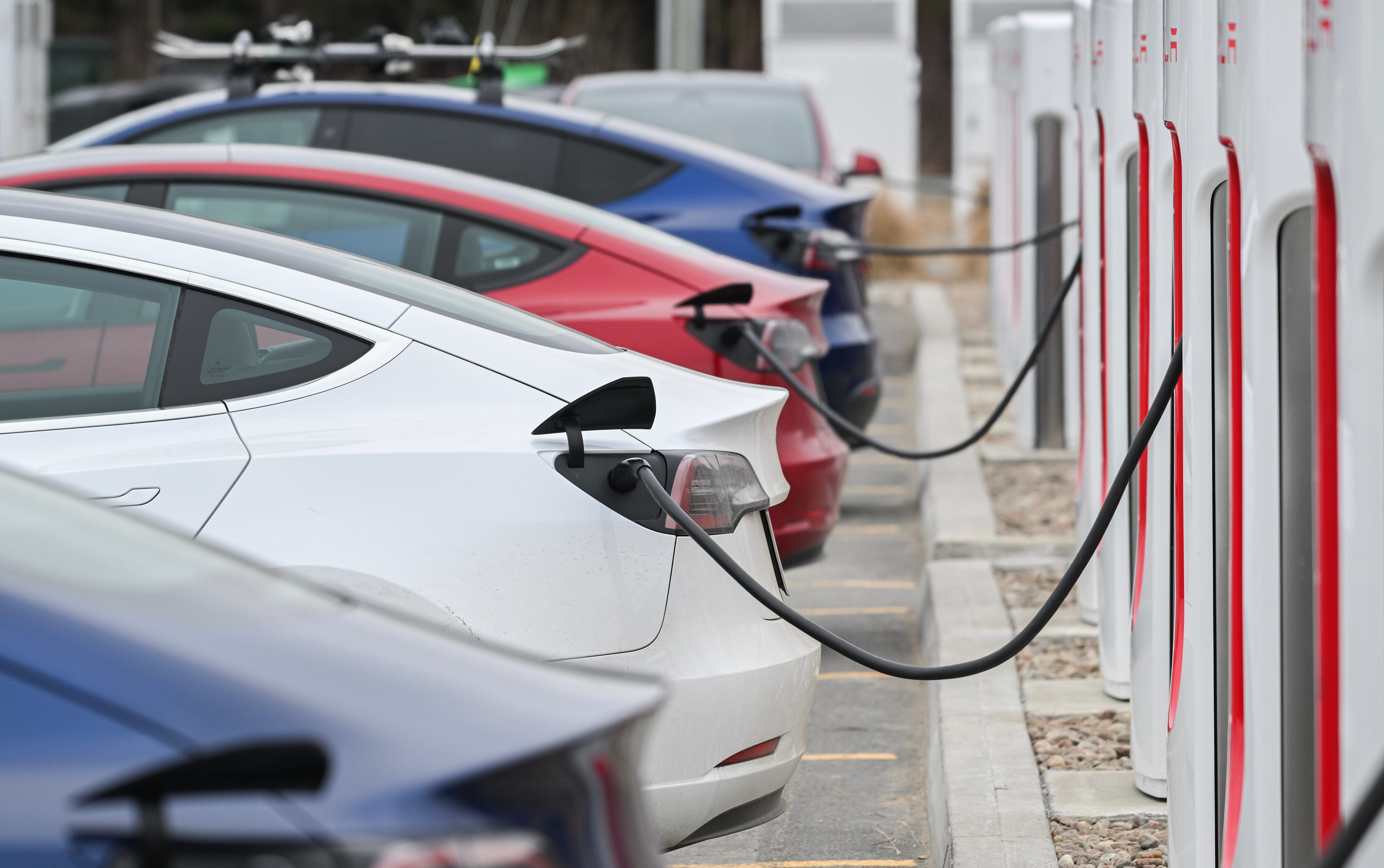
Superchargers (250 kW) provide 200+ miles in 15-30 minutes at ~$0.38/kWh. With stations along I-5 and I-90, they’re perfect for road trips, not home use.
Table 1: Tesla Charging Options Comparison
| Charger | Max Power | Speed (miles/hr) | Cost | Pros | Cons |
|---|---|---|---|---|---|
| Mobile Connector | 7.7 kW | Up to 30 | $275 | Portable, affordable | Slower than Wall Connector |
| Wall Connector | 11.5 kW | Up to 44 | $475-$595 | Fast, smart features | Installation cost |
| NEMA 14-50 | 7.7 kW | Up to 30 | $200-$500 | Cost-effective | No Wi-Fi |
| J1772 Adapter | 19.2 kW | Varies | Included | Public access | Station-dependent |
| Supercharger | 250 kW | 200+ in 15 min | ~$0.38/kWh | Ultra-fast | Not for home use |
How to Use Tesla Mobile Connector
Using the Tesla mobile connector is straightforward. Attach the NEMA 5-15 adapter for a 120V outlet (2-3 miles/hour) or the NEMA 14-50 adapter for a 240V outlet (30 miles/hour). Plug it into your Tesla’s charge port, then connect to the outlet. For faster charging, Tesla offers additional adapters like NEMA 6-50 or 10-30 via the Tesla Shop. It’s a simple but effective plug-and-play solution.
Charging Performance Across Tesla Models
Performance varies by model and charger. Here’s how the mobile connector stacks up.
Model S and Model X (100 kWh)
At 240V, these models charge in 13 hours. The Wall Connector cuts it to 8.7 hours, while Superchargers hit 80% in ~45 minutes.
Model 3 RWD (50 kWh)
The Model 3 RWD fully charges in 6.5 hours at 240V—same as the Wall Connector, due to the 7.7 kW onboard limit. Superchargers take ~25 minutes to 80%.
Model 3 and Model Y Long Range (82 kWh)
The Model 3 and Model Y Long Range take 10.5 hours at 240V, while the Wall Connector drops to 7 hours. Superchargers reach 80% in ~30 minutes.
Table 2: Charge Times by Model
| Model | Battery | Mobile 120V (hours) | Mobile 240V (hours) | Wall Charger (hours) | Supercharger (to 80%) |
|---|---|---|---|---|---|
| Model S/X | 100 kWh | 71 | 13 | 8.7 | ~45 min |
| Model 3 RWD | 50 kWh | 36 | 6.5 | 6.5 | ~25 min |
| Model 3/Y LR | 82 kWh | 59 | 10.5 | 7 | ~30 min |
Tesla Wall Charger vs Mobile Connector: Which Wins?
The Tesla Wall Charger vs mobile charger debate hinges on your needs. The Wall Connector’s 48A output (44 miles/hour) outpaces the mobile charger’s 32A (30 miles/hour), making it ideal for heavy daily use. However, the mobile charger’s portability and lower cost shine for shorter commutes or travel.
Charging Costs and Efficiency
Washington’s electricity rate ($0.11/kWh) makes home charging economical:
- Model 3 RWD: ~$5.50.
- Model 3/Y Long Range: ~$9.02.
- Model S/X: ~$11.00. Superchargers cost $19-$38 for 50-100 kWh. Efficiency averages 3-4 miles/kWh, with the mobile connector leveraging clean energy.
Physical & Technical Specs
Mobile Connector
- Power: 7.7 kW (240V).
- Size: 4.5” x 2.5” x 1.5”, 2.5 lbs.
- Cable: 20 feet.
- Adapters: NEMA 5-15 included; 14-50 optional.
Tesla Wall Connector
- Power: 11.5 kW, 48A.
- Size: 15.8” x 6.3” x 4.3”, 15 lbs.
- Install: Hardwired, 60A breaker.
Tesla Charging Installation in Washington
Electrical Requirements
Both chargers need a 240V circuit. The mobile connector works with existing outlets, while the Wall Connector requires a 50A-60A breaker and 100A+ panel capacity. Older homes may need upgrades.
Permits & Regulations
Seattle and King County mandate electrical permits and inspections, per NEC Article 625.
Incentives
The US federal tax credit may cover 30% of costs up to $1,000.
Mobile Connector vs Wall Charger: Final Verdict
For Washington residents, the mobile connector offers flexibility and savings, while the Wall Charger excels for speed and smart features. With clean hydropower and incentives, both align with eco-goals.
Conclusion
The mobile connector is a versatile, budget-friendly choice for Tesla owners in Washington State. Whether you opt for its portability or upgrade to a Wall Charger, you’re set for sustainable driving. Contact us at Solphos to learn more or schedule your Tesla Wall Connector installation using the button below.

Pingback: Which Tesla Charger Should I Buy? | Home Charger Guide
Comments are closed.