Solar Panel Aesthetics for Modern Homes
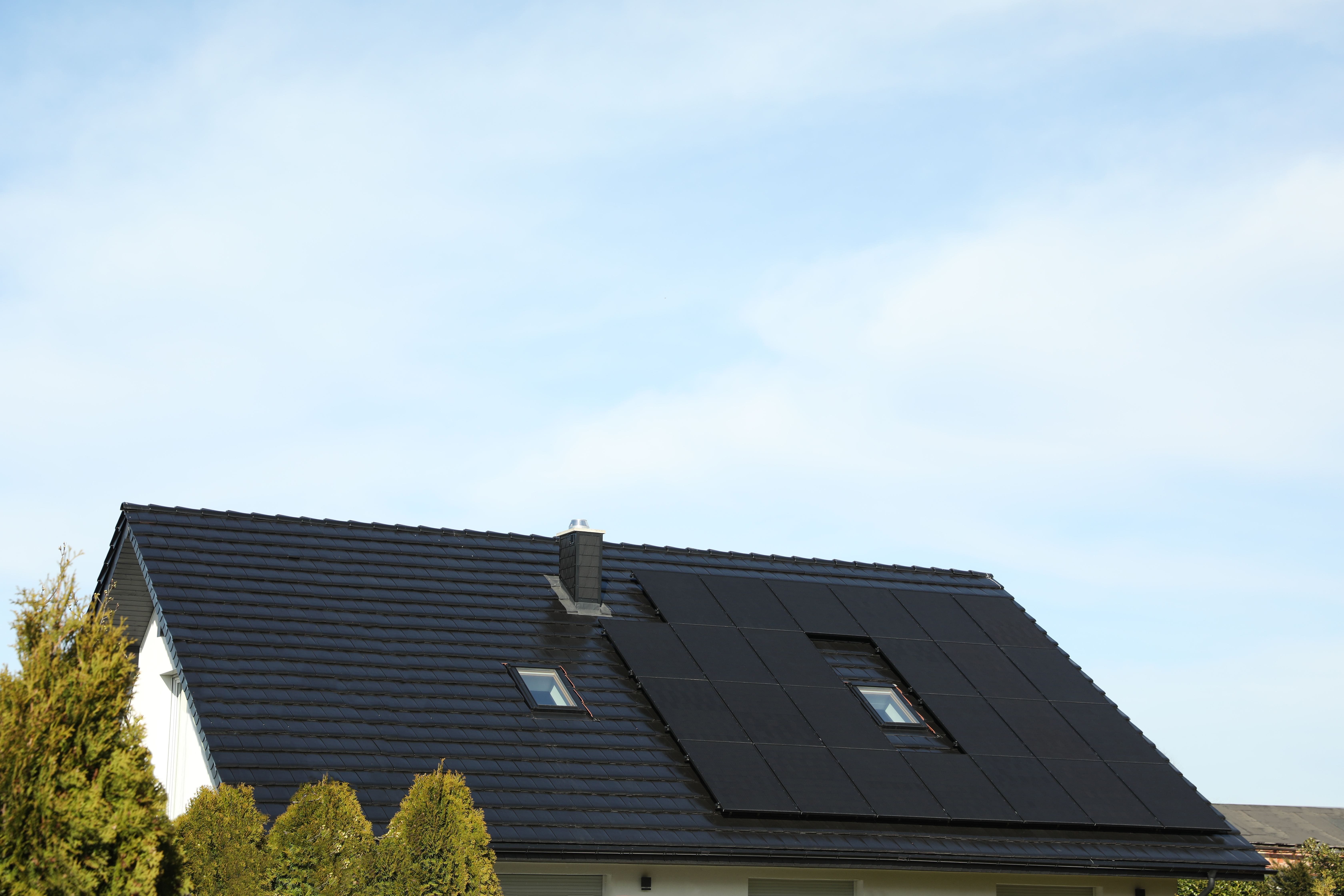
Solar panel aesthetics have evolved considerably in the past decade, transforming rooftop systems from purely functional add-ons into elegant components that can enhance a home’s curb appeal. In Western Washington, where Craftsman and modern architectural styles abound, homeowners often look for ways to ensure their panels blend gracefully with existing design elements. This shift in solar panel aesthetics covers everything from all-black modules and frameless options to low-profile racking systems. In this guide, we will explore the latest design trends, compare leading brands, and provide practical tips for those striving to combine style with sustainability. By understanding the nuances of solar panel aesthetics, you can boost the value of your property while reducing your carbon footprint.
Why Solar Panel Aesthetics Matter in Western Washington
Washington homeowners have become more discerning about how solar installations appear on their roofs. Though the state offers abundant incentives for going green, people increasingly worry about whether large, obtrusive panels might clash with their home’s architectural style. In Seattle’s historical districts, for example, local guidelines may limit how prominent solar arrays can appear from the street. Meanwhile, in suburban neighborhoods around Tacoma and Bellevue, homeowners’ associations (HOAs) sometimes impose restrictions on color schemes and racking visibility.
Therefore, aesthetics can affect everything from property value to community relations. By selecting hardware that complements your roofline, you add a layer of visual harmony to your home. Furthermore, some new designs promise not just a better appearance but also improvements in durability, performance, and potential resale appeal. The region’s mild but often wet climate also benefits from the advanced coatings and protective materials found in many of today’s premium solar modules.
Modern Solar Panel Aesthetics: Key Design Trends
The race to create visually pleasing solar technology has spurred manufacturers to develop sleek, monochromatic modules that minimize visible metallic gridlines. Some brands even offer frameless panels, while others produce all-black variants that seamlessly merge with dark shingles. Below are the most notable aesthetics-related innovations.
1. All-Black Solar Panels
All-black modules feature dark cells, frames, and back sheets. This uniform color scheme helps the panels blend more unobtrusively with dark roofing materials, especially asphalt shingles or black metal roofs. Because the busbars or cell grid is less noticeable, the modules appear like a single dark sheet, creating a sleek look. Monocrystalline technology, which often yields high efficiency, pairs well with these designs. Brands like Tesla, LG, and certain Silfab lines are known for well-regarded all-black products that deliver strong performance.
2. Low-Profile Racking Systems
Traditional racking can result in panels that sit several inches above the roof surface, accentuating their presence. Low-profile racking solutions address this by hugging the roof closer. Some designs minimize visible hardware, such as large clamps or rails. The final effect makes the modules appear almost flush with the roofline. Furthermore, many low-profile systems incorporate integrated flashing and concealed wiring, reducing the possibility of an eyesore or maintenance hassles. While these solutions tend to cost more, the aesthetic boost can be substantial for style-conscious homeowners.
3. Frameless Modules
Instead of standard aluminum frames, frameless panels use tempered glass on both sides or a glass front with a plastic backing. This approach eliminates the visible edges, delivering a panel that appears to float slightly above the roof. Frameless modules are often used in architectural features like solar canopies or pergolas, since they offer a sleek, contemporary look. For sloped residential roofs, frameless designs can appear more integrated, though installation must account for water drainage carefully—especially important in Western Washington’s rainy conditions.
4. Integrated Solar Shingles
The next frontier in solar panel aesthetics lies with fully integrated solar shingles, such as Tesla’s Solar Roof and other emerging BIPV (Building-Integrated Photovoltaics) products. These roof tiles replace traditional shingles and look nearly identical to standard roofing materials, effectively hiding the solar capability. While cost remains high, some homeowners choose these solutions when building a new house or replacing an aging roof.
Solar Aesthetics Across Different Architectural Styles
Western Washington’s residential landscape features an eclectic mix of Craftsman bungalows, mid-century ranches, and ultra-modern new builds. Each style poses distinct challenges—and opportunities—for merging solar panel aesthetics into the roof design.
1. Craftsman and Bungalow Homes
Many Craftsman-style homes date to the early 20th century, sporting steep-pitched roofs, wide eaves, and intricate woodwork. Homeowners often aim to preserve the character of these historical facades. Installing large, bright aluminum-framed panels can look out of place. Instead, all-black modules or low-profile racking systems better complement the Craftsman aesthetic. Placing panels on less visible roof sections—such as the rear or side slopes—also helps maintain the home’s original charm facing the street. In Seattle’s neighborhoods like Capitol Hill or Queen Anne, local guidelines might even require the array to stay behind ridgelines. If you need more guidance on such permitting steps, Solphos Services can help navigate local rules.
2. Mid-Century and Ranch-Style Residences
Western Washington also hosts numerous mid-century ranches and split-level homes, often featuring low-slope or single-story rooflines. The simpler roof planes of these designs can actually simplify a solar installation. Frameless modules or all-black panels allow the array to lie flush against the shallow pitch, creating a cohesive appearance from curb level. Because mid-century architecture emphasizes clean lines and minimal ornamentation, dark-toned, uniform panels can blend seamlessly. Even a partially visible racking setup likely won’t disrupt the aesthetic if the rails and clamps are similarly dark.
3. Contemporary and Modern Builds
For modern homes with flat roofs, metal cladding, or extensive glass facades, embracing a futuristic solar look can be an asset. Some owners prefer frameless modules with a glossy finish that echo the building’s sleek geometry. If the home includes large overhangs or a statement roof, matching the color scheme (often black, gray, or metallic) helps unify the solar array with the broader structure. Low-profile installations become especially appealing, as they maintain the building’s streamlined silhouette. By pairing these advanced modules with concealed wiring and integrated battery storage—like from Enphase Energy or Tesla—modern homeowners can turn their solar system into a design feature rather than an afterthought.
Comparing Brands for Solar Panel Aesthetics
Though many panel manufacturers now offer aesthetically refined modules, each brand approaches the design in unique ways. Below are a few popular choices among Washington residents seeking stylish solutions.
1. Silfab Solar
Based partly in North America, Silfab solar modules frequently showcase uniform black surfaces and minimal silver busbars. Their premium lines emphasize aesthetics without sacrificing high efficiency—something crucial in the Pacific Northwest’s frequent cloudy conditions. Silfab frames often feature a matte black finish that blends with dark roofs. Their robust warranties also appeal to owners wanting peace of mind in rainy or windy weather.
2. Tesla Solar Panels and Solar Roof
Famous for sleek, all-black panels, Tesla gained traction through cohesive product design. Tesla’s solar roof tiles, though pricier, essentially hide the entire array. Regular Tesla panels use black frames and black cells to reduce visibility. If you drive a Tesla EV, you might prefer the brand consistency. However, installation typically requires a certified installer, and some municipalities still face a steep learning curve on Tesla’s new roofing tech.
3. LG NeON and Qcells
LG’s NeON series features advanced cell architecture and minimalist black frames, focusing on high performance in partial shade. Qcells similarly offers all-black variants aimed at aesthetically sensitive markets. Both brands are known for excellent manufacturing standards, making them favored by homeowners balancing cost and style. Because these modules come in a range of wattages and sizes, they adapt well to small or large roofs.
4. Other Noteworthy Manufacturers
Brands like REC, Panasonic, and Canadian Solar also produce lines with black frames and dark back sheets. They share a common goal: deliver solar panels that merge seamlessly into rooftops instead of standing out. In Western Washington—where varied home styles exist side by side—this variety ensures you can find a panel design that suits your aesthetic, efficiency, and budgetary needs.
Maximizing Curb Appeal with Solar Panel Aesthetics
You can take several steps to ensure your new solar array enhances, rather than detracts from, your home’s overall aesthetic. Below are proven strategies for Western Washington homeowners.
1. Work with a Solar-Focused Designer or Architect
If you’re building or renovating your house, consider an architect who incorporates solar planning from the start. They can design rooflines with the correct tilt and orientation, potentially recessing panels or color-matching frames to your roof. Even retrofits benefit from professional design input, especially in historic neighborhoods where the visual impact is scrutinized. A well-integrated array often appears as a natural extension of the roof plane.
2. Place Panels Strategically
Not every slope of your roof must be covered in panels. If your southern or western roof face is visible from the street, you can sometimes place the bulk of the system on a more discreet east-facing slope—or split the array among multiple roof planes. This tactic ensures you don’t overshadow your home’s focal architectural details. Monitoring software such as Enphase Enlighten or Tesla’s app can still manage and track these segmented arrays effectively.
3. Coordinate Colors and Textures
Using black or dark-gray framed panels with a dark asphalt or metal roof yields a cohesive, low-contrast look. For homes with clay tile roofs—less common in Western Washington, but still present—select panels with matching or complementary color frames. While you may pay a premium for these aesthetic upgrades, the final result is often worth the added cost. In addition, ensure the racking and any visible conduit are painted or powder-coated to match the roof surface, reducing visual distractions.
4. Cable Management
Exposed wiring can ruin an otherwise polished install. Insist your installer run conduit through attics or along inconspicuous eaves. Zip-ties and clips keep cables tidy underneath panels. Some advanced racking systems incorporate hidden cable trays, ensuring a clean look from any angle. This level of detail matters greatly on modern or contemporary builds with minimal roof overhangs where exposed hardware stands out.
Addressing HOA and Community Concerns
While Washington State laws generally protect homeowners’ rights to install solar, HOAs and historical preservation groups can still have input on aesthetic aspects. If you’re in a planned community with design covenants, request the relevant guidelines early in the design phase. Most associations prefer dark-framed or all-black modules, specifying that racking hardware remains non-reflective. You might need to share mockups or product brochures to gain quick approval. In older neighborhoods with historical oversight committees, placing panels on secondary roof surfaces or using more advanced integrated options might be essential. Ultimately, a collaborative approach with local authorities fosters smoother approvals and neighborly goodwill.
Ensuring Long-Term Durability Alongside Visual Appeal
While aesthetics matter, quality and longevity remain critical. Western Washington endures steady rainfall, occasional windstorms, and periodic freezing conditions at higher elevations. If a panel has subpar build quality or if racking systems fail, you risk leaks or damage. Replacing a panel can disrupt your carefully curated aesthetic if an exact match is no longer available. Here’s how to balance durability with appearance:
- Pick Reputable Brands: Leading manufacturers—like Silfab, Tesla, or LG—tend to produce consistent designs over multiple product generations. This consistency helps in replacements or expansions down the line.
- Verify Warranties: All-black or frameless variants might feature a slightly different warranty than a standard line, so read the fine print. A robust 25-year product warranty ensures you’re covered for manufacturing defects.
- Use Professional Installers: Skilled crews know how to maintain your roof’s integrity while creating an aesthetically cohesive array. Improper racking or sloppy wiring can lead to water infiltration—especially in Western Washington’s rainy climate.
- Monitor Panel Condition: Over time, moss or debris can accumulate at panel edges, especially if your roof is partially shaded by trees. Regular cleaning or occasional professional inspections help preserve both performance and looks.
Frequently Asked Questions About Solar Panel Aesthetics
1. Do all-black panels lose efficiency compared to traditional panels?
Not necessarily. High-quality all-black modules often maintain similar efficiency. The difference is typically minor—some older models were slightly less efficient, but modern versions have narrowed that gap.
2. Are frameless panels more expensive?
They can cost more due to specialized materials and higher manufacturing complexity. However, the sleek appearance and improved drainage for certain roof styles justify the premium for many homeowners.
3. Will an HOA block my solar installation if they dislike the look?
Washington laws generally favor homeowners’ rights to install solar, but HOAs can sometimes impose design restrictions. Presenting an aesthetically refined plan (e.g., black frames, low-profile mounting) usually alleviates concerns.
4. Can I upgrade older panels with new, more stylish ones?
Yes. Many homeowners replace dated, silver-framed arrays with black or frameless modules. Check your existing inverter’s compatibility. Replacements might also require a new racking system for best results.
5. How do I keep solar panels looking good over time?
Regularly remove debris or moss, especially in Western Washington’s damp climate. Occasional cleaning with a soft brush or hiring a professional helps maintain both aesthetics and performance.
Conclusion: Elevating Your Home’s Visual Appeal with Modern Solar Panels
Solar panel aesthetics have come a long way, offering Western Washington homeowners a wide range of refined, visually appealing choices. Whether you own a Craftsman bungalow with intricate rooflines or a contemporary build that calls for bold design statements, today’s solar solutions can complement nearly any style. By choosing all-black or frameless modules, installing low-profile racking, and positioning arrays strategically, you’ll ensure that your new system bolsters, rather than detracts from, your home’s curb appeal. Advances from brands like Tesla, Silfab, and LG pave the way for better synergy between green technology and architectural character.
Crucially, aesthetics need not come at the expense of performance or resilience. The right brand and professional installation can deliver top-tier efficiency, robust warranties, and minimal maintenance needs in Western Washington’s variable weather. With these considerations in mind, the path to a stylish, eco-friendly home becomes clearer. If you want expert guidance on hardware selection or design approaches tailored to your property, visit Solphos Services for a comprehensive consultation.
Ready to find the perfect blend of aesthetics, performance, and cost-effectiveness for your solar project? Contact Solphos today to get started. By investing in modern solar panel aesthetics, you’re not only reducing carbon emissions but also enhancing your home’s beauty and long-term value.

Pingback: Solar in Bellevue? | Is it Worth It?
Pingback: Silfab Solar Panels: PNW Performance
Pingback: Emerging Trends in Photovoltaic Glass Roofing for Modern Homes
Pingback: 3 Reasons PV Roof Tiles Are the Smart Choice-Jia Mao BIPV Tech
Comments are closed.