Solar in Bellevue & the Eastside – Is it Worth It?
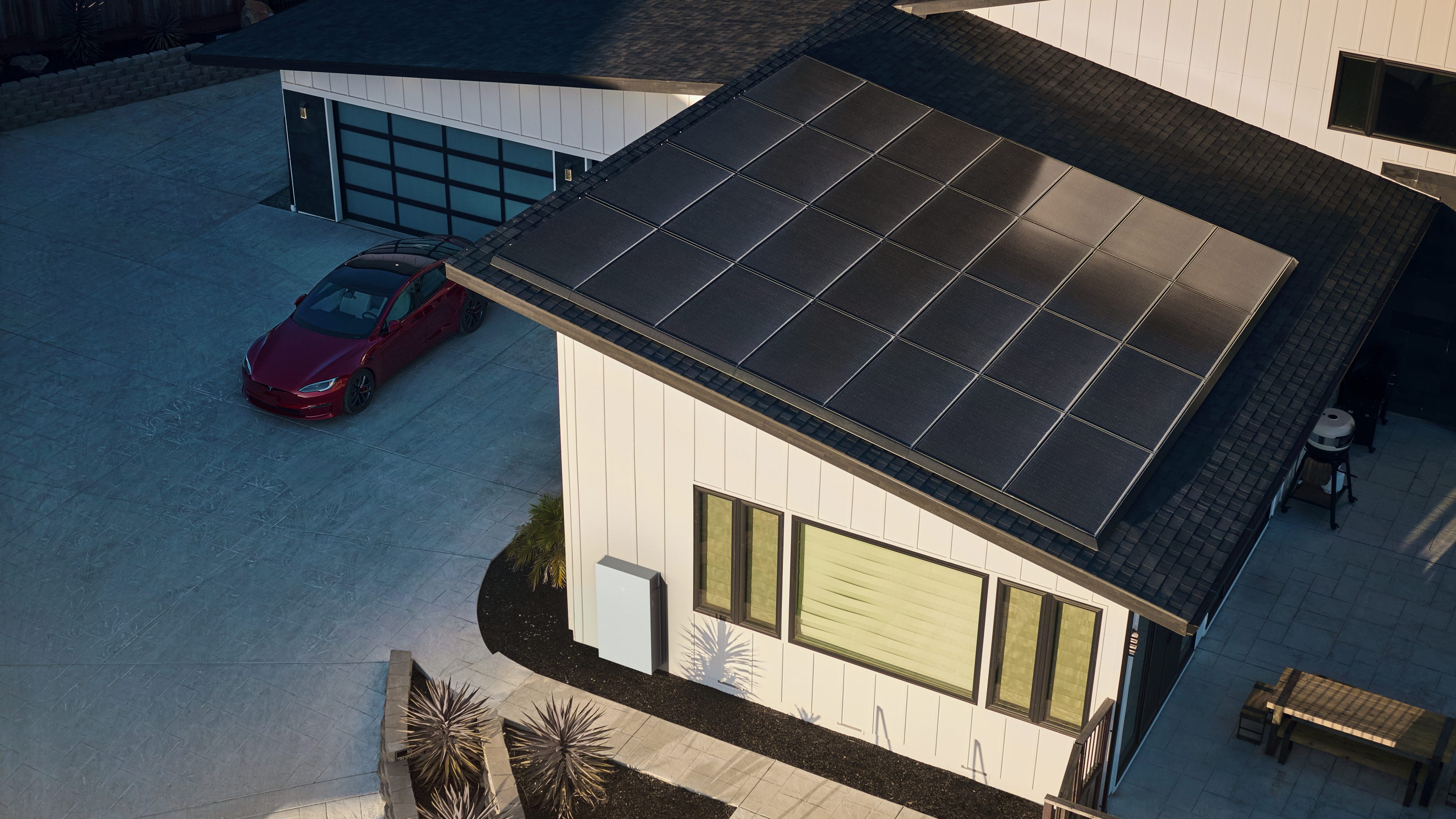
Solar in Bellevue continues to gain traction among homeowners seeking to offset rising energy bills, reduce their carbon footprints, and take advantage of favorable Washington State incentives. Despite Western Washington’s overcast skies, modern solar technology and local policies now make clean power a practical reality. In this data-driven look, we’ll explore housing market dynamics, utility costs, and system performance to answer a key question: is solar in Bellevue worthwhile? If you’re curious about the numbers, incentives, and potential benefits, this in-depth guide has you covered.
Bellevue’s Housing Landscape and Green Demand
Bellevue is known for its upscale neighborhoods, proximity to tech hubs, and relatively high median home prices. According to Zillow (2023), home values in Bellevue have grown consistently over the past several years, driven by strong employment, good schools, and easy access to outdoor amenities. Because property values are already high, the cost of adding a solar system is often a smaller fraction of overall home expenses, making solar more attainable for many households.
Local realtors note that prospective buyers frequently look for sustainable or energy-efficient features. A Lawrence Berkeley National Laboratory study suggests that homes equipped with rooftop solar can command a noticeable premium on resale. In a higher-end market such as Bellevue, that premium becomes a compelling reason to invest. Beyond dollars and cents, the city’s green ethos fosters an environment where solar aligns neatly with community priorities, from reducing emissions to showcasing forward-thinking development.
Why Bellevue Is Prime for Solar Adoption
Frequent Cloud Cover vs. Modern Tech
Critics argue that Puget Sound’s frequent drizzle undermines solar production. However, advanced panels that capture diffuse light remain effective in cloudy weather. Additionally, microinverters or power optimizers help mitigate partial shading from evergreen trees or adjacent buildings. The National Renewable Energy Laboratory (NREL) estimates that Bellevue’s solar irradiance averages 4–5 kWh per square meter per day—a figure sufficient for residential systems. Although this is lower than, say, Arizona, local homeowners still see meaningful utility offsets when a system is properly sized and oriented.
Utility Rates and Electricity Costs
Residents in Bellevue typically receive power from Puget Sound Energy (PSE). Over the last decade, PSE rates have incrementally trended upward for residential users, reflecting both infrastructure expenses and broader market conditions. Installing solar in Bellevue can create a stable hedge against these future price hikes, letting you lock in lower effective electricity rates. For many households with monthly bills nearing \$150–\$200, a 5–8 kW solar array can offset a significant portion of that cost.
Environmental Motivation
In a city recognized for its green spaces and environmental awareness, solar in Bellevue offers the intangible benefit of shrinking one’s carbon footprint. Regular winter storms and the desire for backup power have also sparked interest in integrated battery solutions, further enhancing system resilience. Because these values resonate with the local culture, installing panels often garners community support and can raise the visibility of your home’s “eco-credentials.”
Incentives and Policies That Shape Solar Adoption
Net Metering and Local Utility Programs
Washington’s net metering law allows you to send surplus solar energy to the grid and earn credits for future use. PSE’s net metering guidelines (Puget Sound Energy, 2023) detail how monthly bills reflect net consumption after solar production. During sunny months, you can build up credits that offset usage in darker winter periods. This framework significantly boosts the ROI of solar in Bellevue, WA, because leftover energy isn’t wasted; it’s banked.
State-Level Support
Washington has historically embraced renewables, offering partial sales tax exemptions on eligible solar equipment. Additionally, if you generate more power than you use annually, the state’s net metering policy ensures you still derive financial gains, although direct compensation for major excess is limited. If you’d like to review specific state incentives or potential legislative updates, the DSIRE database is a solid resource.
Federal Investment Tax Credit (ITC)
The 30% federal Investment Tax Credit remains a major incentive, cutting the cost of solar equipment and installation for those who pay enough federal tax to leverage it. Although ITC rates may step down after 2032, current policy means immediate savings for Bellevue homeowners. If your property taxes are high or you earn above certain thresholds, capturing the ITC can significantly shorten the system payback time.
How Much Solar Is Enough? System Sizing Insights
Energy Consumption Assessment
When considering solar in Bellevue, begin by analyzing your historical energy usage. Households that run electric heating or charge an electric vehicle may have monthly bills in the \$150–\$250 range, while smaller homes might pay closer to \$100–\$120. A 6 kW system could offset 60–80% of typical consumption, depending on roof angle and shading. If you prefer near-total coverage, you may size your array around 7–9 kW, space permitting.
Optimizing for Cloudy Weather
High-efficiency modules, including monocrystalline panels from brands like REC or Silfab, often show better low-light performance. Microinverters or power optimizers help each panel perform independently, so a single shaded module doesn’t hinder the entire system. Because Bellevue trees are iconic but can cast partial shadows, these technologies prove valuable. For a custom design that accounts for shading and roof orientation, Solphos Services can build a 3D model of your home and calculate expected yields year-round.
Return on Investment: Dollars and Cents
Payback Period Estimates
Solar payback periods typically range from 12 to 25 years in the Bellevue area. Higher electric rates push that timeline toward the shorter end. A standard single-family home might pay \$20,000–\$30,000 for a full system, minus the 30% federal tax credit, resulting in a net cost under \$20k. Spreading these savings over an average system lifespan of 25+ years makes going solar a clear win, especially if you keep the house long enough to recoup those costs.
Influence on Property Values
Given Bellevue’s already robust housing market, incremental investments can yield substantial returns. According to Lawrence Berkeley National Laboratory, U.S. homes often see a premium of roughly $16,000 (national average, dependant on home) for a home with solar installed. That figure scales up in high-value markets like Bellevue, translating into a noteworthy advantage if you decide to sell. Realtors indicate that well-documented energy savings or advanced monitoring apps (such as those from Enphase Energy) can further boost buyer interest.
Utility Bill Reductions
One of the most direct perks is the monthly cost offset. A system sized around 6 kW might cut \$100 off a \$150 bill, effectively turning utility expenses into a fraction of their pre-solar levels. Over a decade or two, these cumulative savings comfortably surpass your upfront investment, particularly when factoring in net metering credits. The U.S. Department of Energy provides rough calculators that highlight how consistent these cost reductions can be once solar is operational.
Addressing Potential Obstacles
Permits, HOAs, and Neighborhood Aesthetics
The City of Bellevue processes solar permitting through standard electrical and building reviews, which are typically straightforward. However, some higher-end neighborhoods have homeowners’ associations (HOAs) that require pre-approval for rooftop panels, especially if they face the street. Washington law generally supports your right to go solar, but discreet mounting or black-framed panels can help maintain curb appeal if aesthetics become a concern. Use mounting solutions that minimize visible hardware or conduit to help smooth any HOA processes.
Roof Condition and Structural Integrity
Before installation, ensure your roof is in good shape, ideally with at least 10 years of life remaining. For older homes, it may be economical to combine a roofing project with solar, reducing labor overlap. Installers often conduct a structural check to confirm that the additional load (typically under 3 lbs per square foot) is well within your roof’s capacity. If you’re set on maximizing solar in Bellevue but find your roof limited, consider ground-mounted arrays or partial upgrades to existing roof structures.
How to Start Your Solar Journey
Consultations and Quotes
Begin by gathering quotes from at least two or three reputable installers. Look for references, credentials, and a thorough home site assessment. Detailed proposals often include estimated annual output, potential savings, and net metering assumptions. For an easy, data-driven approach, you can check out Solphos Services for custom design solutions aimed at maximizing production under Bellevue’s sky conditions.
Financing and Incentives
Most homeowners combine personal funds with either a home equity line of credit (HELOC) or dedicated solar loans, spreading the cost of the system over manageable monthly installments. Since the 30% federal Investment Tax Credit can offset a chunk of that cost, be sure to coordinate with a tax professional if you qualify. The DSIRE website remains the best reference for up-to-date local and state-level incentives, ensuring you don’t miss out on partial sales tax exemptions or other Washington-specific programs.
Common Questions & Concerns
Modern high-efficiency panels capture diffuse light, so even on cloudy days you get notable production. While not as high as sunnier regions, the system can still achieve solid returns.
Many residents pair solar with battery backup solutions (e.g., Tesla or Enphase). While this adds cost, the benefit is reliable power during storms—a big advantage in Western Washington.
Sleek black-framed panels and minimal racking can look quite streamlined. If you have an HOA, discreet roof placement or all-black panels can help maintain your home’s curb appeal.
While policies can evolve, Washington has strong support for renewables. Net metering remains in place for the foreseeable future, benefiting homeowners who install soon.
It depends on your monthly usage, roof area, and budget. Typically, 11–16 kW covers the bulk of a standard household’s needs in Bellevue but can vary widely based on your home’s square footage and your household’s energy consumption. Get a custom analysis for precise recommendations.
Taking the Next Step
All indicators point to a positive outlook for solar in Bellevue. Rising utility rates, robust net metering, and a supportive cultural climate mean local residents can capture substantial cost savings and environmental benefits. Modern hardware tackles the cloud issue, while strong property values magnify returns on your solar investment. Whether you’re eyeing a modest system to trim monthly bills or a more advanced array complete with battery storage, Bellevue’s market conditions make solar an appealing proposition.
If you’re ready to explore a tailored design or want deeper guidance on WSEC compliance, Contact Solphos. Our experts provide streamlined proposals, handle paperwork, and ensure that going solar in Bellevue is a hassle-free experience—allowing you to enjoy the savings, the property value boost, and the peace of mind of renewable energy.

Pingback: Smart Electrical Panel Bellevue: A Home Upgrade Guide
Comments are closed.