In recent years, the push for renewable energy has gained significant momentum. Solar energy, in particular, has become a popular choice for homeowners looking to reduce their carbon footprint and save on energy costs. But the benefits of renewable energy extend far beyond just environmental impact and cost savings. In this article, we’ll explore the numerous advantages of adding renewable energy to your home, backed by data and expert opinions.

Environmental Benefits: Renewable Energy Systems
Reducing Carbon Footprint With Renewable Energy
One of the most compelling reasons to switch to renewable energy is its positive impact on the environment. Traditional energy sources, such as coal and natural gas, release a significant amount of greenhouse gases into the atmosphere, contributing to global warming. According to the U.S. Environmental Protection Agency (EPA), the average home in the United States generates approximately 7.5 metric tons of carbon dioxide annually from electricity consumption alone. By installing solar panels to create renewable energy, homeowners can drastically reduce their carbon footprint. A report by the National Renewable Energy Laboratory (NREL) states that a typical residential solar panel system can offset approximately 100,000 pounds of carbon dioxide over its lifetime.
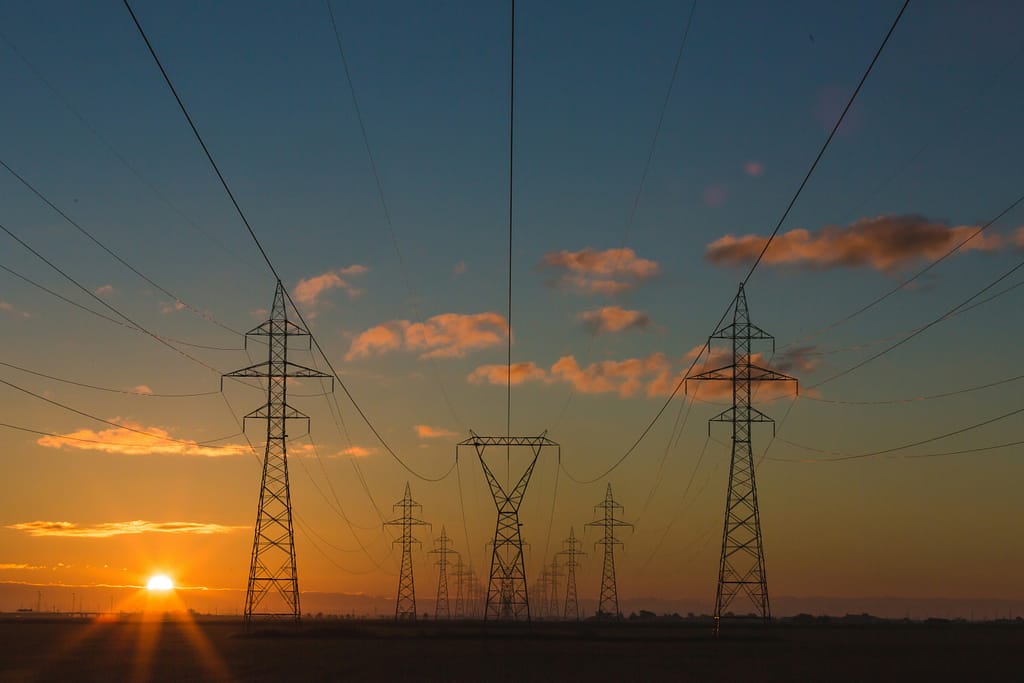
The Environmental Cost of Traditional Energy
- Coal and Natural Gas: Major contributors to greenhouse gas emissions.
- Greenhouse Gases: Key drivers of global warming and climate change.
- Annual Emissions: An average U.S. household generates 7.5 metric tons of CO2 from electricity use.
The Solar Solution
By installing panels, homeowners can drastically reduce their carbon footprint. A report by the National Renewable Energy Laboratory (NREL) states that a typical residential solar panel system can offset approximately 100,000 pounds of carbon dioxide over its lifetime. That’s the equivalent of:
- Planting Around 1,500 Trees: As trees absorb CO2, this comparison highlights the substantial environmental benefit.
- Taking a Car Off the Road: It’s akin to removing a mid-sized car from the road for several years, reducing air pollution and fossil fuel consumption.
Why Make the Switch?
- Environmental Responsibility: Moving to renewable energy reflects a commitment to reducing your environmental impact.
- Long-term Savings: Solar not only lower your carbon footprint but also reduce electricity bills, leading to financial savings over time with renewable energy.
- Increased Property Value: Homes with solar panel installations generally have a higher market value and are more attractive to environmentally-conscious buyers.
By choosing solar renewable energy, you are not only making a smart financial decision but also taking a significant step toward a more sustainable and environmentally-friendly future.
Reducing Air and Water Pollution
Traditional energy production not only releases greenhouse gases but also contributes to air and water pollution. Power plants that burn fossil fuels emit sulfur dioxide, nitrogen oxides, and particulate matter, which can lead to respiratory and cardiovascular diseases. Additionally, the process of extracting and transporting fossil fuels can contaminate water supplies. Renewable energy, on the other hand, generates electricity without emitting harmful pollutants, thereby improving air and water quality.
Harmful Pollutants Used to Generate Electricity
- Sulfur Dioxide (SO₂): This gas is a major contributor to acid rain, which can harm ecosystems and degrade buildings.
- Nitrogen Oxides (NOₓ): These compounds contribute to the formation of ground-level ozone, a key component of smog.
- Particulate Matter (PM): Tiny particles that can penetrate deep into the lungs, leading to serious health issues.
Health Implications
The pollutants released by fossil fuel combustion have severe repercussions on public health:
- Respiratory Diseases: Increased levels of sulfur dioxide and particulate matter can cause asthma and other respiratory conditions.
- Cardiovascular Diseases: Long-term exposure to nitrogen oxides and particulate matter is linked to heart disease and stroke.
- Chronic Health Issues: Prolonged exposure to air pollution can exacerbate chronic conditions like bronchitis and emphysema.
Water Pollution
In addition to air pollution, the extraction and transportation of fossil fuels pose significant risks to water quality:
- Contamination: Oil spills and coal mining can lead to the contamination of water supplies with hazardous chemicals.
- Ecosystem Disruption: The introduction of pollutants into water bodies disrupts aquatic ecosystems, harming wildlife and reducing biodiversity.
The Solar Energy Advantage
Renewable energy, on the other hand, offers a clean and sustainable alternative:
- Emission-Free Electricity: Solar generates electricity without emitting harmful pollutants. This means no sulfur dioxide, nitrogen oxides, or particulate matter are released into the atmosphere from renewable energy.
- Improved Air Quality: By reducing reliance on fossil fuels, renewable energy helps decrease the overall amount of air pollution, leading to cleaner, healthier air.
- Protecting Water Resources: Renewable energy systems require minimal water for maintenance and do not involve hazardous chemicals, thereby minimizing the risk of water pollution.
Why Solar Energy is Better for Health and the Environment
- Cleaner Air: Reducing emissions from fossil fuels leads to fewer respiratory and cardiovascular diseases.
- Healthier Communities: Less air pollution means fewer hospital visits, lower healthcare costs, and improved overall public health.
- Preserved Water Quality: Renewable energy systems do not contribute to water contamination, safeguarding drinking water sources and aquatic life.
By embracing renewable energy, we can significantly lessen our environmental impact and foster healthier living conditions for ourselves and future generations.
Economic Benefits
Lower Energy Bills
One of the most immediate benefits of installing solar panels is the reduction in energy bills. Solar energy systems generate electricity directly from the sun, allowing homeowners to rely less on power from the grid. According to EnergySage, the average solar panel system can save homeowners between $10,000 to $30,000 over 20 years. Additionally, states like California, New York, and New Jersey offer substantial incentives that further reduce the cost of installation and increase overall savings.
Long-Term Financial Savings
According to EnergySage, the average solar panel system can save homeowners between $10,000 to $30,000 over 20 years. These savings can vary based on factors like regional sunlight exposure, electricity rates, and system size. However, the financial benefits are clear and compelling:
- Monthly Savings: Lower electricity bills mean more money in your pocket each month.
- Return on Investment: The initial cost of a solar panel system is often recouped within a few years, after which the system generates “free” electricity for its remaining lifespan, which can be 25 years or more.
- Increased Home Value: Properties equipped with solar energy systems generally have higher market values and are more attractive to potential buyers.
State and Federal Incentives
In addition to the inherent savings, numerous state and federal incentives make solar panel installation even more financially appealing. States like Washington, New York, and New Jersey offer substantial incentives that further reduce the cost of installation and increase overall savings.
- Tax Credits: The Federal Investment Tax Credit (ITC) allows homeowners to deduct a significant percentage of their solar installation costs from their federal taxes. As of now, the ITC offers a 26% tax credit for systems installed in 2022.
- State Rebates: Many states offer rebates that further decrease the initial installation cost. For instance, California’s Solar Initiative provides rebates based on the performance of the solar panel system.
- Net Metering: This system allows homeowners to sell excess electricity generated by their solar panel back to the grid, effectively turning their meter “backwards” and increasing savings. States like New York have strong net metering policies.
- Property Tax Exemptions: Some states, including New Jersey, offer property tax exemptions for the added home value that results from the installation of a solar panel system, ensuring that your property taxes don’t spike as a result of going green.
Renewable Energy Sources: Financial Benefits
- Reduced Energy Bills: Immediate savings on monthly electricity expenses.
- Substantial Long-Term Savings: Potential to save between $10,000 to $30,000 over 20 years.
- Increased Property Value: Homes with solar installations typically sell for more.
- Various Incentives: Federal and state programs that make solar installation more affordable.
By taking advantage of these financial benefits and incentives, homeowners can make a smart, cost-effective decision to switch to solar energy. Investing in solar panel(s) is not just an environmentally sustainable choice but also a financially savvy one, offering substantial savings and a solid return on investment.
Increased Home Value
Adding solar to your home can significantly increase its market value. According to a study conducted by the Lawrence Berkeley National Laboratory, homes equipped with solar energy systems sold for an average of $15,000 more than comparable homes without solar. This increase in home value stems from the growing demand for energy-efficient homes and the financial benefits of reduced electricity bills for prospective buyers.
For homeowners considering selling their property in the future, this added market value can make solar panels a particularly worthwhile investment. Not only do they offer immediate savings on energy costs, but they also enhance the overall appeal and resale value of the home. Investing in panels thus provides dual benefits: lowering electricity expenses and boosting property value, making it a smart financial decision for both the short and long term.
Protection Against Rising Energy Costs
Energy prices are inherently subject to fluctuations driven by factors such as supply and demand dynamics, geopolitical events, and natural disasters. These variables can make the cost of electricity highly unpredictable, adding a layer of financial uncertainty for homeowners.
By generating your own electricity through panels, you can effectively shield yourself from these unpredictable price hikes. According to data from the U.S. Energy Information Administration (EIA), residential electricity prices have risen by an average of 4% annually over the past decade. This consistent upward trend indicates that traditional energy costs are likely to continue escalating. When you invest in solar panels, you essentially lock in the cost of electricity at a more stable rate, thereby protecting yourself from future increases.
This financial predictability not only helps in better budgeting but also provides peace of mind amid a volatile energy market. By embracing solar energy, you gain a hedge against the rising costs of traditional energy sources, ensuring long-term savings and financial stability.

Technological Advancements
Energy Storage Solutions
Advancements in renewable energy storage technology, such as battery systems, have made renewable energy more reliable and efficient. Batteries like the Tesla Powerwall and LG Chem RESU can store excess energy generated during the day for use at night or during power outages. This capability ensures a consistent power supply and maximizes the benefits of your solar renewable energy system.
Enhancing the Reliability and Efficiency of Renewable Energy
Advancements in renewable energy storage technology, such as battery systems, have made renewable energy more reliable and efficient than ever before. These innovative storage solutions are integral to overcoming some of the traditional limitations associated with renewable energy sources, particularly solar power.
Key Benefits of Modern Battery Systems
Batteries like the Tesla Powerwall and LG Chem RESU offer a range of benefits that enhance the overall performance and dependability of solar energy systems.
- Storing Excess Energy: During the day, panels often generate more electricity than a household uses. Modern batteries can store this excess renewable energy, which can then be used at night or during periods of low sunlight, ensuring that no solar power goes to waste.
- Backup Power During Outages: In the event of a power outage, these advanced battery systems can provide backup power, ensuring that essential appliances and systems continue to operate. This is particularly valuable in regions prone to power disruptions.
Tesla Powerwall: A Benchmark in Battery Technology
The Tesla Powerwall is one of the most well-known residential battery storage solutions. Here’s why it stands out:
- High Energy Capacity: It offers a substantial storage capacity, allowing homeowners to store enough renewable energy to power their homes through the evening and overnight.
- Seamless Integration: The Powerwall integrates seamlessly with solar panels and the home’s electrical energy system, providing a consistent and reliable power source.
- Smart Management: It comes with intelligent software that optimizes renewable energy use and maximizes efficiency, learning the household’s behavior patterns to better manage energy reserves.
LG Chem RESU: Compact and Efficient
The LG Chem RESU is another top-tier renewable energy storage option, known for its compact design and high efficiency:
- Space-Saving Design: Its compact and lightweight design makes it easy to install in various home settings, without occupying much space.
- Scalability: The RESU offers flexible configurations, allowing homeowners to scale up their renewable energy storage systems as needed.
- High Efficiency: It provides excellent charge and discharge efficiency, ensuring that minimal energy is lost during the storage process.
Maximizing the Benefits of Renewable Energy Systems
With the integration of advanced battery systems, homeowners can maximize the benefits of their solar energy systems:
- Consistent Power Supply: These batteries ensure a steady power supply, regardless of the time of day or weather conditions.
- Energy Independence: By storing and using their own solar-generated electricity, homeowners reduce their dependence on the grid and increase their renewable energy independence.
- Cost Savings: Stored solar energy can be used during peak hours when electricity rates are higher, further reducing energy bills and enhancing cost savings.
Future-Proofing Energy Needs
As renewable energy storage technology continues to advance, the reliability and efficiency of renewable energy systems will only improve. Investing in high-quality battery systems like the Tesla Powerwall or LG Chem RESU is a step toward a more sustainable, reliable, and cost-effective energy future.
Summary of Energy Storage Benefits
- Enhanced Reliability: Consistent power supply, even at night or during power outages.
- Increased Efficiency: Maximizes the use of generated solar energy, reducing waste.
- Improved Renewable Energy Independence: Less reliance on the grid and more control over renewable energy use.
- Cost Savings: Lower renewable energy bills and potential savings during peak electricity rates.
By incorporating these cutting-edge renewable energy technologies, homeowners can enjoy the full spectrum of advantages offered by solar energy systems, ensuring a resilient and sustainable energy solution for the long term.
Smart Home Integration
Modern solar energy systems can be integrated with smart home renewable energy technologies, allowing homeowners to monitor and manage their renewable energy consumption more effectively. Apps and online portals provide real-time data on renewable energy production and usage, helping homeowners make informed decisions to optimize their energy savings.

Energy Independence: A Step Towards a Sustainable Future
Reducing Reliance on Fossil Fuels
By generating your own electricity, you reduce your reliance on fossil fuels and the companies that supply them. This shift towards renewable energy independence not only benefits the environment but also contributes to national energy security by reducing the demand for imported renewable energy sources.
This transition has far-reaching benefits:
- Environmental Impact: Lowering dependence on fossil fuels decreases greenhouse gas emissions and air pollution, contributing to a healthier planet.
- Economic Benefits: Generating your own electricity can result in substantial savings on renewable energy bills and reduce the economic power of major fossil fuel companies.
Enhancing National Energy Security
The shift towards energy independence also plays a crucial role in enhancing national renewable energy security:
- Reduced Demand for Imports: By relying more on locally-generated renewable energy, the demand for imported renewable energy sources diminishes. This reduces the nation’s vulnerability to international energy market fluctuations and geopolitical tensions.
- Stable Renewable Energy Supply: Renewable energy system like a solar panel provides a reliable source of electricity, reducing the risks associated with supply chain disruptions in fossil fuel industries.
Benefits of Energy Independence
- Environmental: Lower greenhouse gas emissions and reduced air pollution.
- Economic: Significant savings on renewable energy bills and less economic influence from fossil fuel companies.
- National Security: Decreased reliance on imported renewable sources and enhanced stability in energy supply.
Shifting towards energy independence through renewable energy generation is a powerful step that benefits both the environment and national renewable energy security. By reducing reliance on fossil fuels, homeowners can contribute to a more sustainable and resilient energy future.
Community and Grid Benefits
On a larger scale, the widespread adoption of renewable energy can significantly alleviate strain on the power grid, particularly during peak demand periods when energy consumption is at its highest. Traditional power grids often struggle to handle these spikes in demand, which can lead to increased costs, potential blackouts, and higher carbon emissions due to the ramping up of fossil fuel-based power plants. A renewable energy system, especially residential panels, offers a solution to this challenge.
Distributed generation systems, such as residential solar installations, allow for electricity generation to be produced closer to where it is consumed. This decentralization of energy generation reduces the burden on central power plants and the transmission infrastructure, leading to a more stable and resilient energy grid. Instead of relying solely on large, centrally-located power stations, distributed renewable energy system will spread the generation capacity across many points. This not only helps distribute the load more evenly but also increases the overall efficiency and reliability of the grid.
Electricity Generation: Supporting the Power Grid
Moreover, during peak demand periods, such as hot summer afternoons when air conditioning usage is high, residential solar panels can supply a significant portion of the needed electricity generation. This immediate supply reduces the need for additional power from fossil fuel plants, cutting down on the associated carbon emissions and operational costs. In essence, the integration of distributed renewable energy sources transforms the power grid into a more adaptive and robust system.
The widespread adoption of renewable energy, particularly through distributed generation systems like residential solar panels, plays a crucial role in alleviating grid strain, enhancing stability, and creating a more resilient and efficient renewable energy infrastructure. This transition not only supports a cleaner environment but also ensures a more reliable and cost-effective electricity supply for all.

Incentives and Rebates
Federal Tax Credit
The federal government offers a solar Investment Tax Credit (ITC) that allows homeowners to deduct a significant portion of their solar installation costs from their federal taxes. As of 2024, the ITC covers 30% of the cost of installing a solar energy system. This incentive can substantially reduce the initial investment required to go solar.
State and Local Incentives
Many states and local governments offer additional incentives to encourage the adoption of renewable energy. These incentives can include rebates, property tax exemptions, and performance-based incentives. For example, Washington State provides sales tax exemptions for solar energy systems, making it even more affordable for homeowners to make the switch to solar.
Want to learn more about Federal and State Tax Incentives? Check out our other blog Federal Tax Credit for Solar Installations: What Washington Residents Need to Know.

Top Renewable Energy Sources
As we move into 2025, the focus on renewable energy continues to grow, driven by advancements in technology, environmental concerns, and the pursuit of energy independence. The leading renewable energy for the year promise to push the boundaries of efficiency, accessibility, and sustainability.
Solar Power
Solar power remains at the forefront of renewable energy for 2024. With ongoing improvements in photovoltaic technology, solar panels are becoming more efficient and affordable. Innovations such as bifacial solar panels and perovskite solar cells are set to boost energy output and reduce costs. Additionally, energy storage solutions like advanced lithium-ion batteries and emerging solid-state renewable energy technologies, we are enhancing the reliability and availability of solar power, even when the sun isn’t shining.
Wind Energy
Wind energy is another major player in the renewable landscape for 2024. Offshore wind energy farms, in particular, are gaining momentum due to their ability to harness stronger and more consistent wind power found at sea. Turbine technology is also advancing wind power, with larger and more efficient designs that can generate more wind power from the same amount of wind energy. Onshore wind farms continue to expand wind energy as well, contributing significantly to the global energy mix.
Hydropower
Hydropower has long been a staple of renewable energy, and it continues to evolve in 2024. Small-scale and micro-hydro systems are making hydropower more accessible for remote and smaller communities. Additionally, pumped-storage hydropower remains a key player in energy storage, stabilizing the grid by storing excess energy generated from other renewable sources and releasing it when demand is high.
Biomass Energy
Biomass energy is gaining traction as an effective means of converting organic materials into electricity, heat, and biofuels. Advances in technology are making the conversion processes more efficient and environmentally friendly. Biomass’s ability to utilize agricultural waste, wood, and even algae makes it a versatile and sustainable energy source. In 2024, we can expect to see continued integration of biomass in both rural and urban settings.
Geothermal Energy
Geothermal energy harnesses the heat from beneath the Earth’s surface to generate electricity and provide heating. In 2024, developments in enhanced geothermal systems (EGS) are expanding the potential of this resource, making it viable in regions previously thought unsuitable for geothermal projects. This energy offers a consistent and reliable power supply, making it an attractive option for baseload power generation.
The top renewable sources for 2024—solar power, wind energy, hydropower, biomass energy, and geothermal energy—are all set to play critical roles in the global shift towards a more sustainable and resilient energy future. Continuous advancements in technology and increased investments are driving these energy sources to new heights, offering promising solutions to the world’s energy challenges.
Final Thoughts: Home Benefits of Renewable Energy
Adding renewable energy to your home offers a myriad of benefits, from reducing your carbon footprint and lowering energy bills to increasing your home value and achieving renewable energy independence. With advancements in technology and numerous financial incentives available, there’s never been a better time to invest in solar energy.
At Solphos, we are committed to helping homeowners navigate the transition to renewable energy. Our team of experts is here to provide personalized advice and high-quality installation services to ensure you reap all the benefits that solar energy has to offer. Contact us today to learn more about how we can help you harness the power of the sun.
Get Your Instant Solar Installation Quote Today
Explore the possibilities of solar energy for your home by visiting Solphos. With just a few clicks, you can get an instant quote on solar installation tailored to your specific needs— all without the hassle of sales reps or annoying calls. Discover how easy and stress-free switching to solar can be.
References
U.S. Environmental Protection Agency | US EPA
National Renewable Energy Laboratory (NREL) Home Page | NREL

Pingback: Debunking Battery Storage Myths: What Homeowners Need to Know
Pingback: Solar in Bellevue? | Is it Worth It?
Comments are closed.